
Key Takeaways: Managing Invisalign Sensitivity at D2O Dental
- Invisalign treatment often causes temporary tooth sensitivity for 48–72 hours after each new tray because of controlled pressure on the periodontal ligaments.
- Pre-treatment screening at D2O Dental identifies gum disease, decay, and other risk factors before aligners begin, which reduces sensitivity complications during treatment.
- Daily strategies such as desensitizing toothpaste, gentle brushing, avoiding temperature extremes, and switching trays at bedtime help keep discomfort manageable.
- Advanced comfort technologies including The Wand, SOLEA laser, sedation options, and a five-senses spa environment at D2O support patients with dental anxiety or heightened sensitivity.
- If sensitivity or dental concerns have delayed your smile transformation, contact D2O Dental today to explore a personalized Invisalign plan designed around your comfort.
The Problem: How Invisalign Triggers Short-Term Sensitivity
Invisalign aligners apply controlled force to shift teeth incrementally through the jawbone. That pressure produces minor inflammation of the periodontal ligaments, the fibrous connective tissue anchoring each tooth to its socket. The result is a pressure-sensitive ache that feels most intense during the first 48 hours after a new tray is inserted or when trays are removed to eat.
Modern aligner treatment planning limits tooth movement to approximately 0.2–0.3 mm of translation or 2–3 degrees of rotation per stage, which keeps forces gentle and predictable. Several factors can amplify that baseline sensitivity:
- Dry mouth. Wearing aligners for the recommended 20–22 hours per day can reduce saliva flow, which weakens saliva’s ability to neutralize acids and protect enamel.
- Aggressive brushing. Brushing too vigorously or with abrasive toothpaste after every meal can occur with Invisalign wear and causes enamel erosion and heightened sensitivity.
- Pre-existing gum recession. Aligner pressure can contribute to mild gum recession in patients whose gums are already prone to issues, exposing tooth roots and heightening sensitivity to temperature and pressure.
- Untreated decay or erosion. Exposed dentin from acid erosion, attrition, or existing cavities amplifies sensitivity when orthodontic forces are applied.
The table below maps what patients typically experience across the first four weeks of a new aligner series. Sensitivity usually follows a predictable arc, peaking in week one and then steadily easing as the periodontal ligaments adapt to the new tooth position. Recognizing this pattern helps you separate normal adjustment from symptoms that signal a need to call your provider.
| Week | Expected Sensation | Management Tip | When to Call |
|---|---|---|---|
| 1 | Pressure and aching most intense in the first 48 hours, temperature sensitivity possible | Switch to new trays at bedtime, use desensitizing toothpaste, avoid very hot or cold foods | Pain severe enough to interrupt sleep or daily function |
| 2 | Pressure subsides, mild soreness may linger on specific teeth | Soft-bristle brush only, rinse with lukewarm water, OTC ibuprofen or acetaminophen as directed | One tooth significantly more painful than the rest |
| 3 | Most sensitivity resolved, teeth feel settled in new position | Maintain 20–22 hour wear, clean trays with cool water only | Sensitivity returning or worsening after initial improvement |
| 4 | Minimal to no discomfort, preparation for next tray change | Resume normal diet, confirm next tray change date with provider | Persistent sensitivity, ulcers, or visible gum changes |
How D2O Screens for Sensitivity Risks Before Invisalign
Identifying and treating sensitivity triggers before the first tray goes in offers the strongest protection against problems later. At D2O Dental in Midtown Sacramento, every Invisalign candidate receives a comprehensive pre-treatment evaluation.
A thorough Invisalign consultation begins with a review of dental and medical history, documenting any history of tooth sensitivity, jaw discomfort, bite problems, previous orthodontic treatment, or gum disease. That intake is followed by:
- Full-mouth periodontal probing. Probing depths around every tooth detect gum disease that increases sensitivity risk, and if depths exceed 4 mm or X-rays show bone loss, gum disease must be stabilized through scaling and root planing before clear aligner therapy begins.
- Pulp and percussion testing. Baseline pulp sensibility testing using electric pulp testing and thermal or cold testing is recommended before initiating orthodontic forces, because movement of compromised teeth has been linked to adverse pulpal consequences.
- CBCT 3D imaging. CBCT imaging assesses bone thickness and gingival biotype before planning tooth movement with clear aligners, which identifies patients with thin tissue or existing recession who need additional monitoring.
- Bite and occlusal assessment. A comprehensive oral examination checks for bite problems and jaw alignment to confirm teeth and gums are healthy enough for clear aligner therapy.
- Stabilization of active disease. Using aligners without first stabilizing gum health may result in increased tooth sensitivity, gum recession, and long-term damage to supporting structures. Any decay or periodontal disease is treated before aligners begin.
D2O also uses a whole-body wellness lens and screens for airway concerns, acid-erosion patterns, nutritional factors, and cardiovascular indicators as part of a complete picture of oral health. For patients across Sacramento, Roseville, Folsom, El Dorado Hills, and the greater Northern California region who have avoided the dentist for years, this thorough, judgment-free intake often becomes the turning point that makes treatment feel possible.
Daily Sensitivity Toolkit for Invisalign Patients
A simple, consistent daily routine keeps most Invisalign sensitivity manageable between visits. The steps below follow current clinical guidance and work together as a connected plan.
- Use desensitizing toothpaste twice daily. Potassium nitrate or stannous fluoride formulas help occlude exposed dentinal tubules over time and build a protective barrier that supports the next steps. Apply with a soft-bristle manual brush.
- Brush gently after every meal. Vigorous brushing or abrasive toothpaste causes enamel erosion and increased sensitivity, so use light circular strokes with a soft brush to clean while preserving the desensitizing layer you are building.
- Avoid temperature extremes during the first 48 hours of a new tray. Very hot coffee or ice water amplifies periodontal ligament inflammation when it is at its peak, so choose lukewarm or room-temperature options during that window.
- Take OTC pain relief proactively if needed. Ibuprofen or acetaminophen taken at the time of a tray change, not after pain peaks, offers the most effective relief. Follow package directions and consult your provider if you have contraindications.
- Maintain the 20–22 hour wear schedule mentioned earlier. Consistent wear keeps tooth movement on track and prevents the jarring re-seating sensation that occurs when trays stay out too long.
- Clean trays with cool water only. Hot water warps aligner material, which alters the fit and creates uneven pressure points that can increase discomfort.
- Switch to new trays at bedtime. The first hours of peak pressure pass while you sleep, which reduces how much of that early discomfort you feel during the day.
Patients who notice one tooth feeling significantly more sensitive than the others should note when it started and whether it matches a specific tray change. That record helps the provider separate normal localized pressure from a tooth that needs closer evaluation.
Comfort Technology at D2O for Sensitive or Anxious Patients
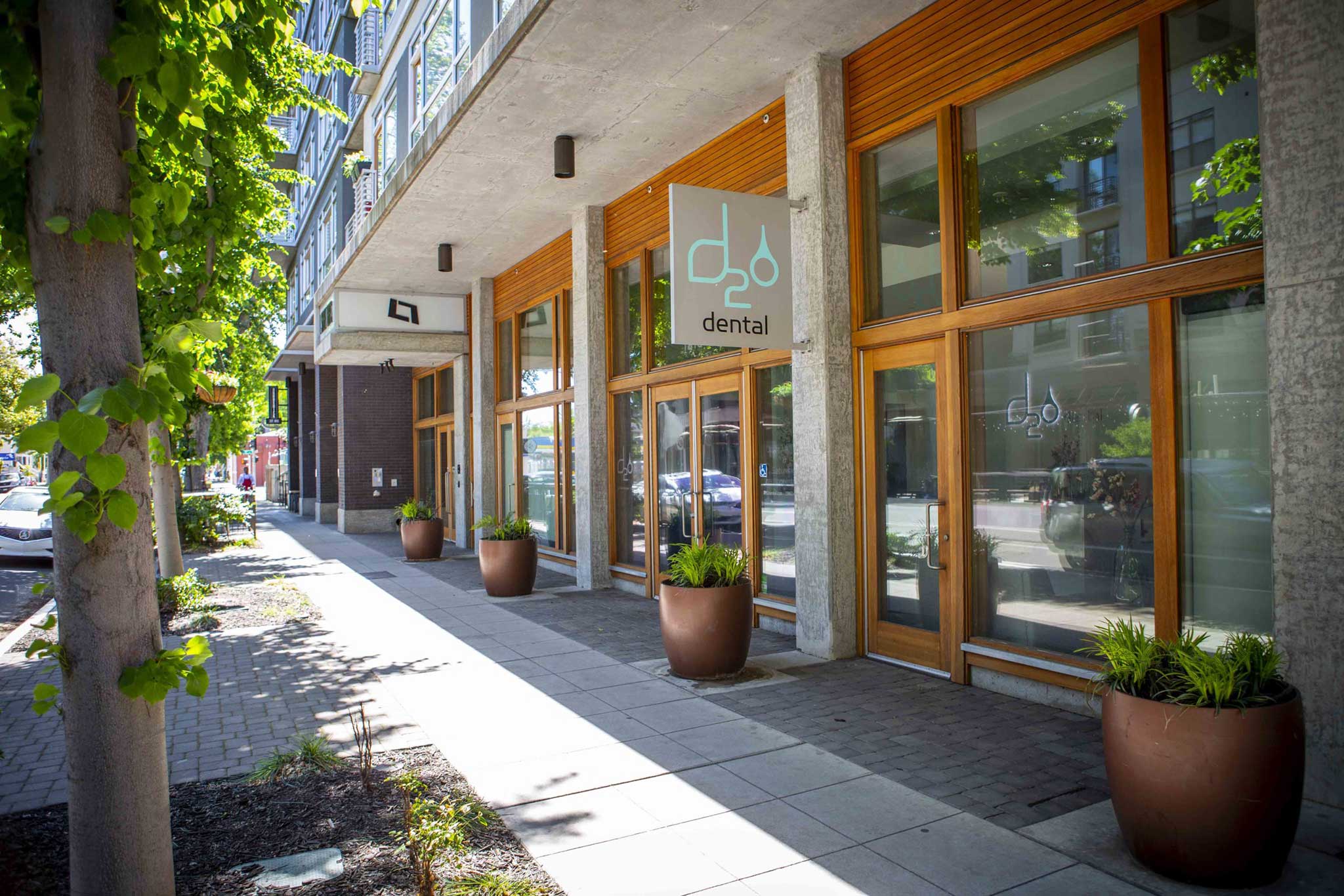
D2O Dental is Sacramento’s first dental spa, and comfort functions as a core clinical capability rather than a bonus amenity. For patients whose sensitivity or dental anxiety needs more than home care, the practice offers a full spectrum of comfort technologies.
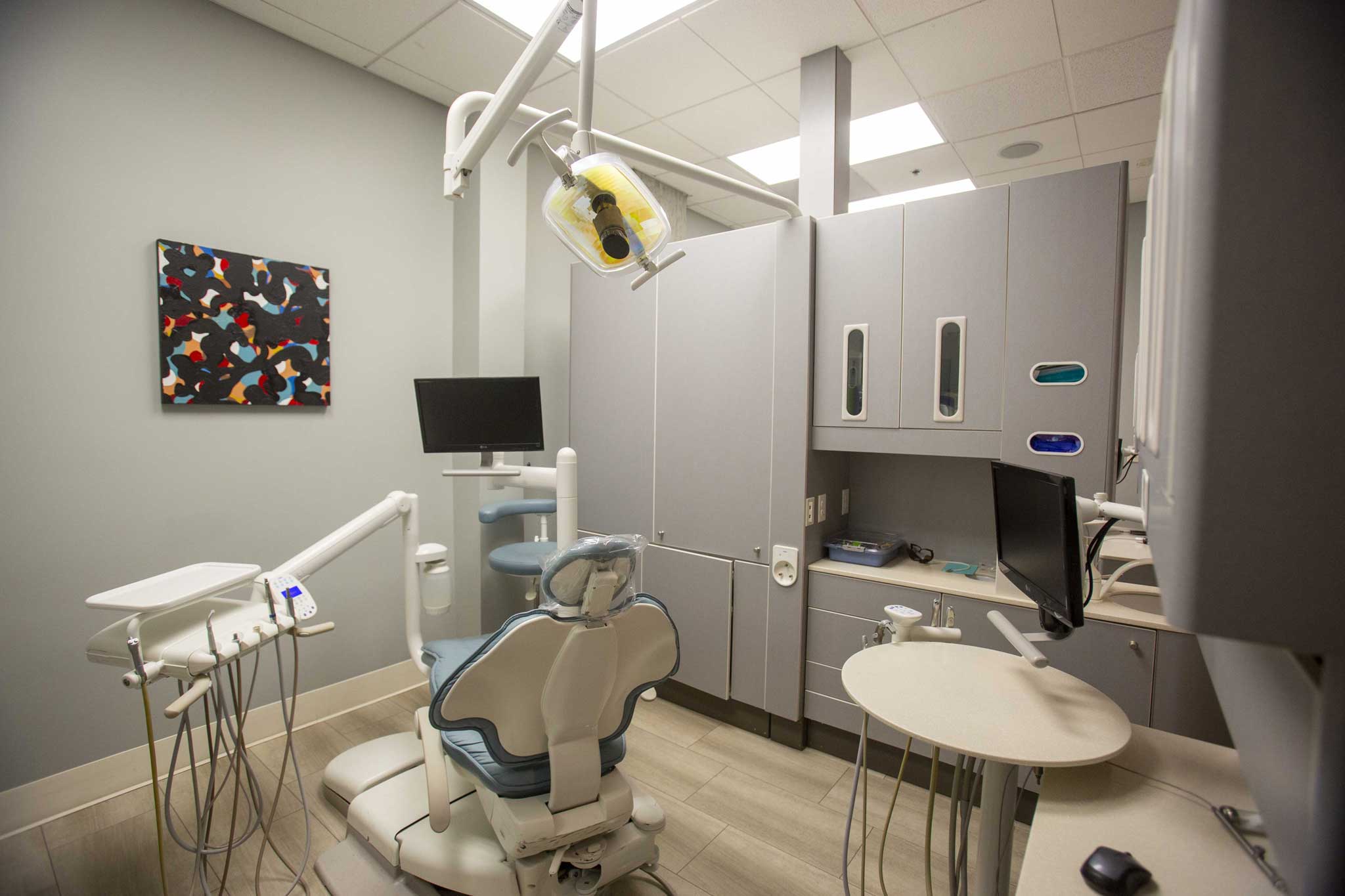
The Wand. A computer-controlled instrument delivers anesthesia at a precise, steady rate, which enables single-tooth numbing with minimal pressure or sting. This approach removes one of the most common sources of dental fear for patients who need in-office sensitivity management or adjunctive procedures during their Invisalign journey.
SOLEA no-shot laser. The SOLEA laser treats many soft-tissue procedures and minor restorative needs without a drill and, in many cases, without an injection. Visits feel less invasive, healing often occurs faster, and the overall experience feels calmer.
Sedation options. Oral conscious sedation, nitrous oxide, and IV sedation are available and matched to the patient’s anxiety level. For long-term avoiders from Sacramento, Davis, Vacaville, Stockton, or the Bay Area who have put off care for years, sedation can make the comprehensive pre-treatment screening and any stabilization work genuinely comfortable.
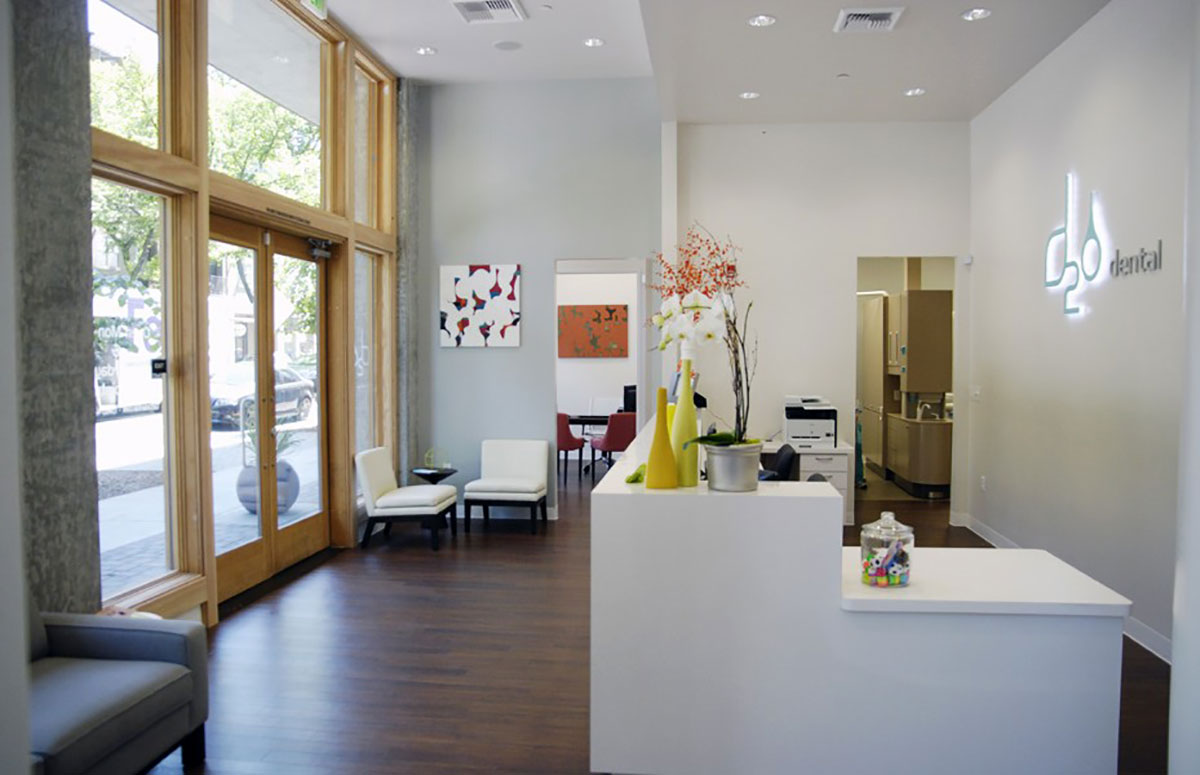
The five-senses spa environment. Aromatherapy, noise-cancellation headsets, video goggles, warm fragranced towels, and neck warmers help patients separate themselves from the procedure before any treatment begins. This environment reduces both actual and perceived discomfort throughout the Invisalign process.
Red-Flag Sensitivity Checklist for Invisalign Wearers
The symptoms below fall outside the range of normal aligner adjustment and require prompt contact with D2O Dental at (916) 442-7000:
- Sensitivity or pain that persists beyond two weeks after a tray change
- Sharp, shooting, or radiating pain in any tooth
- Spontaneous pain that occurs without any pressure or temperature trigger
- One tooth dramatically more painful than all others across multiple tray changes
- Visible gum swelling, bleeding that does not resolve within a few days, or new recession
- Mouth ulcers or sores that do not heal within 10–14 days
- Tooth discoloration (darkening) that develops during treatment
- A tray that no longer seats fully or feels dramatically different from the previous set
- Any pain accompanied by fever, swelling of the jaw or face, or difficulty swallowing
Frequently Asked Questions
What is the hardest week of Invisalign treatment?
For most patients, the first week of an entirely new aligner series, especially the very first set of trays, feels the most uncomfortable. The periodontal ligaments respond to orthodontic pressure for the first time, and the mouth adapts to a foreign object. As shown in the earlier timeline, discomfort peaks within the first 48 hours and diminishes significantly by day three or four. Switching to new trays at bedtime, using desensitizing toothpaste, and taking OTC pain relief proactively at the time of the tray change provide the most effective support during that initial window. Subsequent tray changes usually feel easier as the tissues adapt to the rhythm of treatment.
Does Invisalign make your teeth sensitive to hot and cold?
Invisalign can cause temporary hot-and-cold sensitivity for some patients. The pressure aligners place on teeth produces mild periodontal ligament inflammation, which can heighten the teeth’s response to temperature during the first few days of a new tray. Reduced saliva flow from extended aligner wear can also leave enamel slightly more exposed to thermal stimuli. In most cases, temperature sensitivity resolves within 48–72 hours as the teeth settle. If hot-and-cold sensitivity is severe, lingers beyond a week, or concentrates in a single tooth, it may indicate a pre-existing pulp issue that needs evaluation, which is why D2O’s pre-treatment screening includes pulp testing before aligners begin.
Can I use desensitizing toothpaste with aligners?
Yes, desensitizing toothpaste pairs well with aligners and is actively recommended. Brush with a desensitizing toothpaste that lists potassium nitrate or stannous fluoride as active ingredients before inserting your aligners. Do not apply toothpaste inside the trays themselves, because that can trap abrasive particles against enamel and cause erosion over time. Some providers also recommend a fluoride gel applied briefly inside the trays once or twice a week for patients with significant sensitivity, so ask your D2O provider whether that protocol fits your specific case. Consistency matters most, because desensitizing agents work cumulatively over days and weeks rather than instantly.
How do I know if my sensitivity is normal or a problem?
Normal Invisalign sensitivity feels bilateral or spread across multiple teeth, matches a tray change, peaks within 48 hours, and resolves within a few days. It feels like pressure or mild aching rather than sharp or shooting pain. A problem becomes more likely when sensitivity stays isolated to a single tooth across multiple tray changes, feels sharp or spontaneous rather than pressure-related, persists beyond two weeks, or appears with visible changes like gum swelling, tooth darkening, or a tray that no longer seats properly. When you feel unsure, contact D2O Dental at (916) 442-7000, because a brief check-in always beats waiting through worsening symptoms.
Conclusion: Start Your Comfort-First Invisalign Journey
Temporary tooth sensitivity forms a predictable and manageable part of Invisalign treatment, not a reason to delay the smile you have been considering. With thorough pre-treatment screening, a consistent daily management routine, and a provider equipped with The Wand, SOLEA laser, sedation options, and a true dental-spa environment, adults with pre-existing sensitivity can complete clear aligner treatment safely and comfortably.
D2O Dental sits at 1816 L Street in Midtown Sacramento, steps from the State Capitol, and welcomes patients from across Northern and Central California and the Bay Area. Dr. Edward Wiggins II and the D2O team are ready to build a personalized Invisalign plan around your sensitivity concerns, not despite them.
Request a consultation to see what is possible with a fully personalized plan, or call the practice directly at (916) 442-7000. Your comfort-first Invisalign journey starts with a single conversation.