Key Takeaways for Bay Area Cosmetic Patients
-
Many Bay Area professionals feel dental anxiety and worry about irreversible tooth reduction when seeking cosmetic dentistry.
-
Choosing the right provider means confirming advanced credentials, same-day ceramic experience, and a conservative treatment philosophy.
-
Prepless veneers preserve natural tooth structure and often avoid anesthesia and sensitivity compared to traditional veneers.
-
Comprehensive anxiety management, including sedation options and a five-senses spa environment, improves comfort and clinical outcomes.
-
Patients ready for natural, low-anxiety cosmetic dentistry can request a consultation at D2O to explore personalized options.
A 6-Step Framework for Choosing a Bay Area Cosmetic Dentist
This six-step framework addresses common gaps in how patients evaluate cosmetic providers, from credentials to comfort philosophy.
-
Verify advanced credentials beyond dental school. Dental professionals recommend verifying postgraduate cosmetic training from recognized programs such as Kois, Spear, or AACD-affiliated education rather than accepting vague claims of cosmetic expertise. Dr. Edward Wiggins II, founder of D2O Dental, trained at the Kois Institute in Seattle, holds a Fellowship at the California Implant Institute, earned his DDS from UCSF, and is currently pursuing a Master’s in Surgical and Prosthetic Oral Implantology. He is also pursuing AACD accreditation, the most rigorous cosmetic dentistry credential, requiring a written examination, peer-reviewed case submissions, and an oral examination completed by only a small fraction of dentists.
-
Confirm deep experience with same-day ceramic technology. Same-day ceramic restorations using chairside milling of lithium disilicate or zirconia enable patients to receive permanent crowns or veneers in a single visit. Dr. Wiggins has been a CEREC user since 2003, which places him among the most experienced practitioners in the field.
-
Evaluate the technology stack. Precision tools directly affect outcomes and comfort. D2O Dental’s clinical backbone includes CBCT 3D imaging for diagnosis and implant planning, the SOLEA laser, which eliminates vibration and heat, two primary sensory triggers of dental anxiety, and The Wand, a computer-controlled anesthesia system that delivers single-tooth numbing with minimal discomfort.
-
Assess comfort protocols and sedation options. A practice that treats comfort as a clinical capability rather than an amenity offers a full sedation spectrum. D2O provides oral conscious sedation, nitrous oxide, and IV sedation, alongside a five-senses spa environment with aromatherapy, noise-cancellation headsets, video goggles, and warm towels, all designed to separate the person from the procedure.
-
Review the tooth-preserving philosophy and prepless veneer expertise. Traditional veneers require removal of 0.3 to 0.7 mm of tooth enamel, a process that is permanent and irreversible because enamel cannot regenerate. A practice that leads with prepless veneers and a conservative treatment philosophy protects what patients already have.
-
Consider whole-body wellness and financing flexibility. D2O screens for airway, cardiovascular, nutritional, and acid-erosion concerns as part of a whole-body lens on oral health. For patients making an investment-level decision, flexible financing through Cherry and CareCredit structures care around goals rather than insurance fee schedules.
Schedule your personalized consultation to explore which cosmetic approach fits your goals.
Prepless Veneers vs Traditional Veneers for Tooth Preservation
Step 5 above introduced the tooth-preserving philosophy behind prepless veneers. Because the veneer decision is often the most consequential cosmetic choice a patient makes, and the wrong choice is irreversible, the clinical distinction between prepless and traditional veneers deserves a closer look.
Traditional veneers involve removing a thin layer of enamel to create space for the porcelain shell. This preparation enables a stronger, more predictable bond directly to enamel and provides greater flexibility to adjust tooth position, close gaps, correct minor crowding, and achieve significant changes in size and alignment. The tradeoff is permanence. Once enamel is removed, the tooth requires a restoration indefinitely.
Prepless veneers use ultra-thin porcelain shells bonded with minimal or no enamel alteration. They preserve natural tooth structure and generally cause no post-procedure sensitivity and do not require anesthesia, which makes them more comfortable for patients concerned about pain or irreversible changes. A prospective comparison tracking conventional versus no-prep and minimally invasive veneers over an average of nine years found comparable survival rates between the two approaches.
Candidacy remains the critical variable. No-prep veneers are suitable only when tooth position, color, and bite allow additive changes without bulkiness; severely crowded, rotated, or deeply discolored teeth may still require minimal preparation. D2O’s tooth-preserving philosophy means the least invasive option that achieves the patient’s goals is always the starting point, not the most aggressive one.
Managing Dental Anxiety During Cosmetic Dentistry
Dental anxiety reflects a physiological response with documented clinical consequences, not a personality flaw. Dental anxiety triggers the release of adrenaline and cortisol that can reduce the effectiveness of local anesthetics, a phenomenon clinicians refer to as the “hot tooth.” Addressing anxiety functions as a clinical priority, not just a comfort amenity.
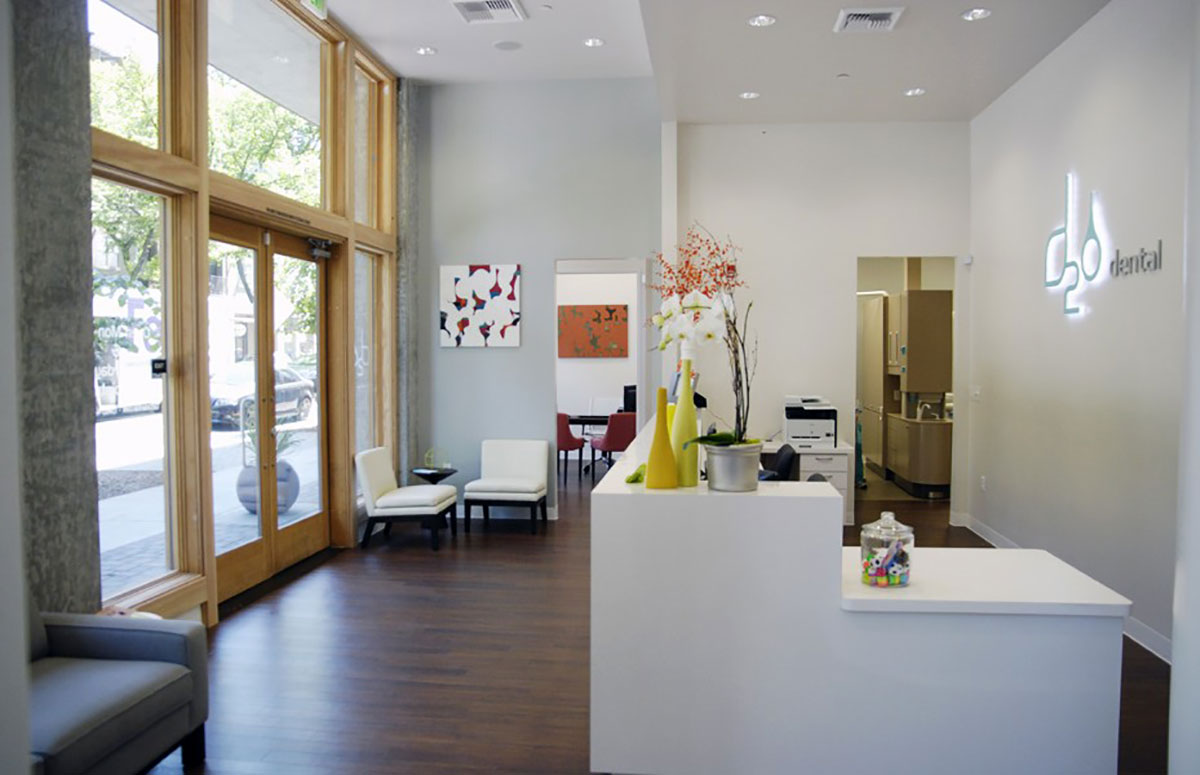
D2O Dental was built around this reality. The five-senses environment described earlier, with its combination of visual calm, calming scents, sound isolation, and tactile comfort, addresses research in Health Environments Research and Design showing that calming colors, comfortable temperature, soft background music, pleasant scents, and natural lighting all contribute to reduced procedural anxiety.
For patients who need more than the environment, D2O offers a full sedation spectrum. A randomized controlled trial found that IV midazolam sedation achieved the highest anxiety reduction and 92% patient satisfaction, while nitrous oxide inhalation sedation has an onset within 2–5 minutes, maintains protective airway reflexes, and shows efficacy equal to other sedatives in patient satisfaction. The Wand’s computer-controlled anesthesia reduces the sting of a traditional injection, and the SOLEA laser treats many cavities with no shot and no drill, removing two of the most common anxiety triggers before treatment even begins.
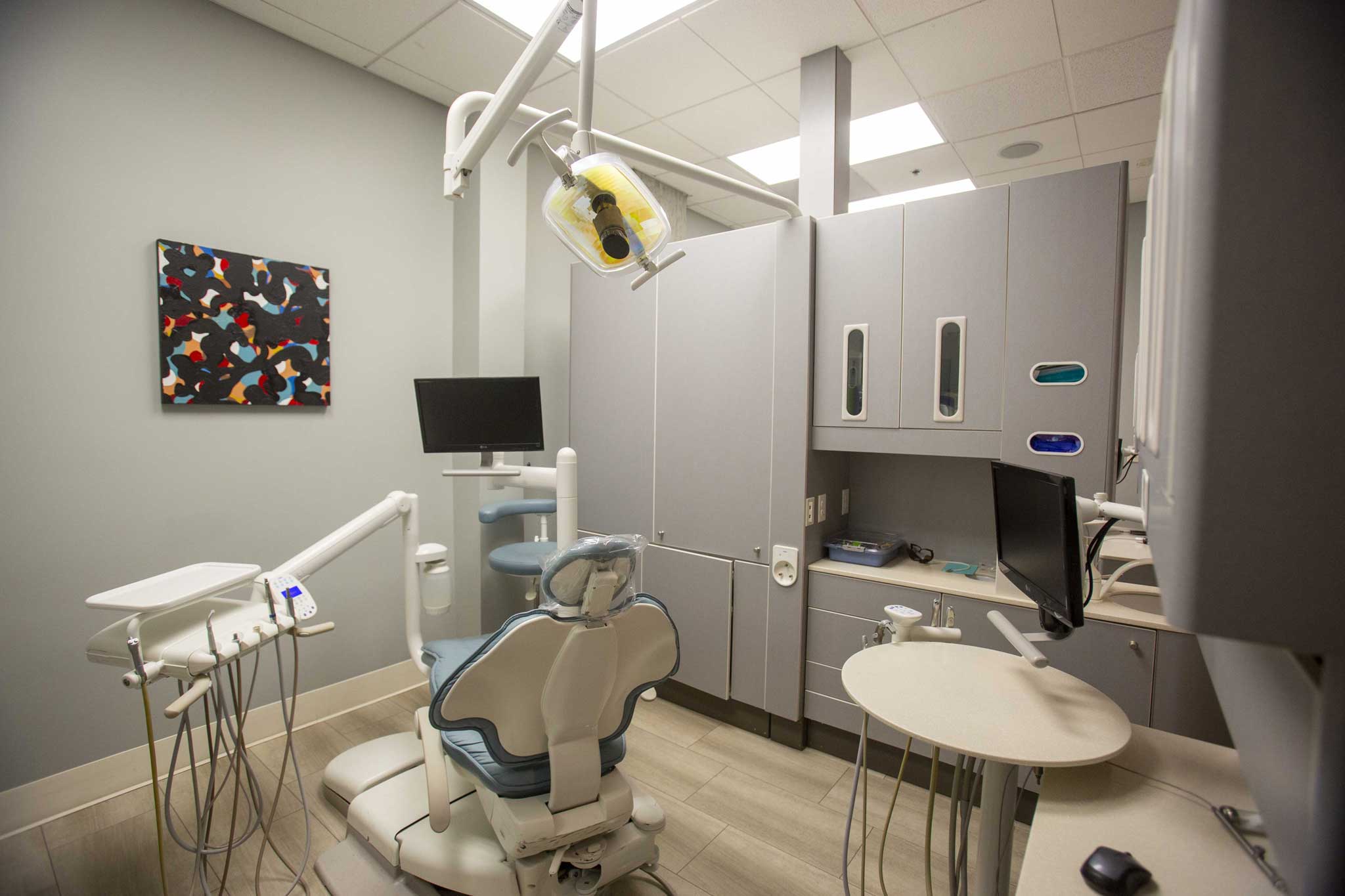
Many patients who once avoided the dentist for years now look forward to their visits at D2O. That shift in behavior reflects the measure of a true dental-spa model and helps make travel from the Bay Area feel worthwhile.
Traveling from the Bay Area to Sacramento for Cosmetic Care
Cosmetic dentistry often functions as a destination service in a way that general dentistry does not. Patients from San Francisco, San Jose, Oakland, and surrounding Bay Area communities regularly travel to Sacramento for the right clinician and the right outcome. D2O Dental, located at 1816 L Street in Midtown Sacramento steps from the State Capitol, draws patients from across a roughly 200-mile radius of Northern and Central California.
The calculus for Bay Area patients stays straightforward. A single consultation visit followed by one or two treatment appointments, often consolidated through CEREC same-day technology, can deliver a complete smile transformation. For prepless veneers, that can mean a single appointment with little to no anesthesia. For a full smile makeover, CEREC eliminates the need for temporary restorations and multiple numbing sessions. The drive becomes a minor consideration when weighed against a 5.0-star-rated practice with 8,000+ patients served and a founder whose credentials and philosophy are difficult to replicate locally.
Book a consultation to discuss your travel plan and smile transformation timeline.
Comparing Cosmetic Dentistry Pathways at D2O
Bay Area patients considering cosmetic dentistry typically encounter four primary pathways, each with a distinct profile across invasiveness, timeline, durability, and reversibility.
Professional whitening, specifically the KöR system used at D2O, is the least invasive entry point and the most common gateway to a fuller smile journey. Teeth whitening is frequently used as a foundation treatment before other cosmetic work to ensure consistent color matching while aiming for a healthy rather than artificially white appearance. Results are immediate, reversible, and require no tooth alteration.
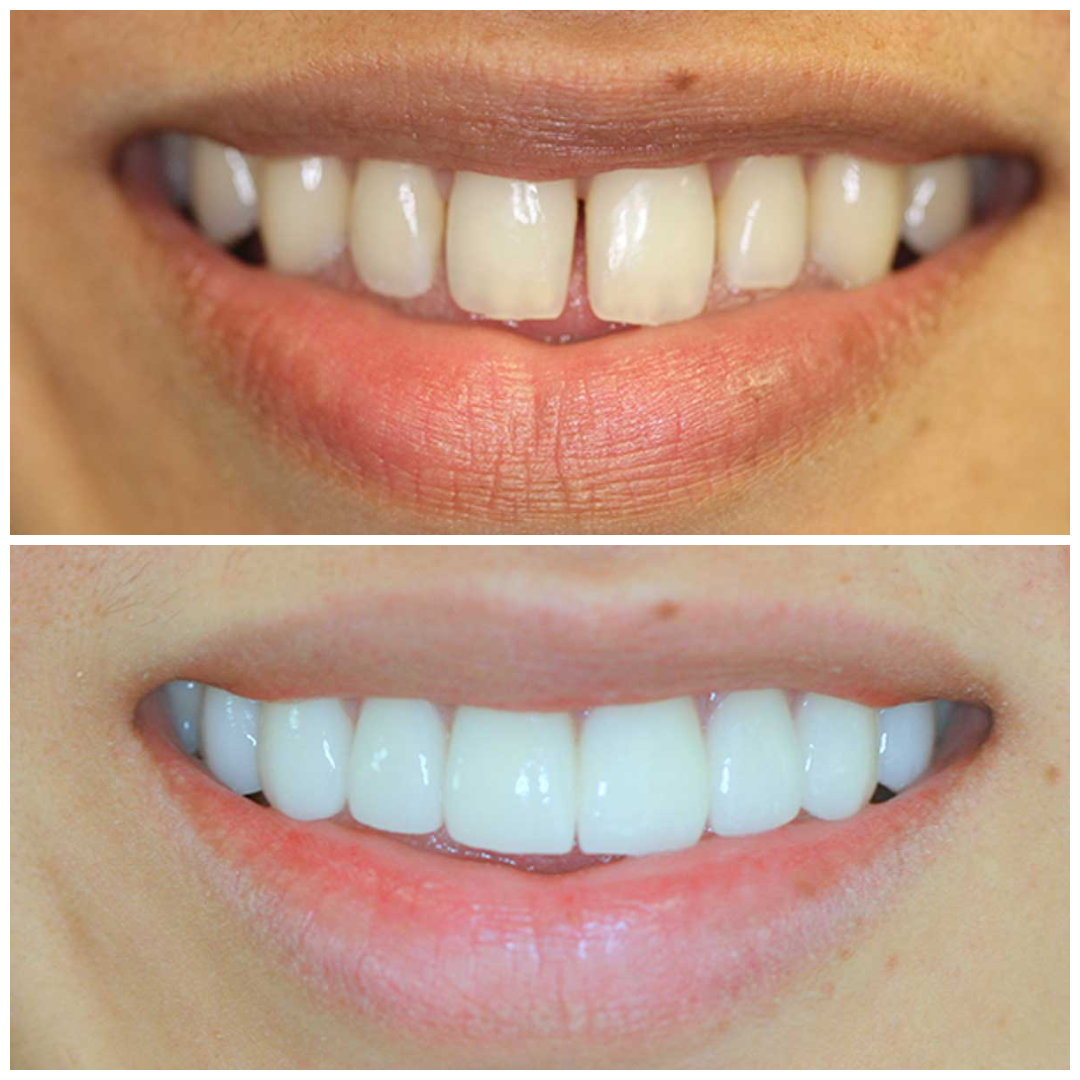
Clear aligners, such as Invisalign or Candid, address alignment as a foundational step. Clear aligners are frequently used before veneers, whitening, or bonding in modern cosmetic dentistry to improve final results and reduce the risk of future bite or structural issues. Treatment timelines vary by case, and the process remains fully reversible.
Prepless veneers represent the next tier. They provide a meaningful aesthetic transformation with minimal tooth alteration, often completed in a single visit, with comparable long-term survival rates to traditional veneers in appropriately selected cases. Traditional veneers offer greater flexibility for complex corrections but require irreversible enamel reduction.
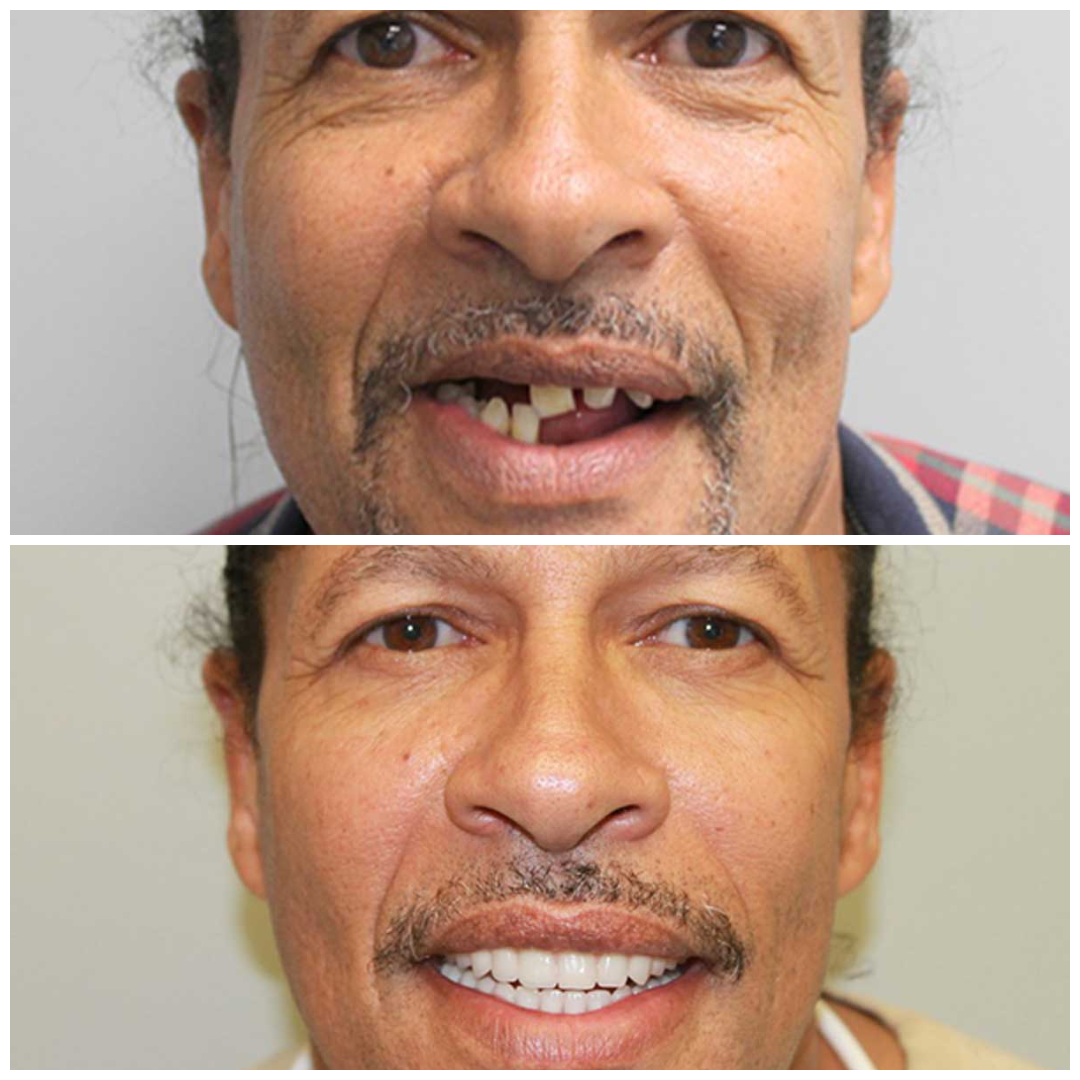
Full smile makeovers and full-mouth reconstruction combine multiple modalities, including crowns, implants, veneers, and gum treatment, into a coordinated plan. These approaches deliver the most comprehensive and durable outcomes and suit patients with significant wear, missing teeth, or complex aesthetic goals. D2O manages these cases under one roof, with sedation and comfort built into every stage.
Risks, Expectations, and How to Evaluate a Cosmetic Practice
Expectation alignment stands as the single most important predictor of cosmetic dentistry satisfaction. The single best predictor of cosmetic case success is the quality of communication between patient and dentist, because outcomes are subjective and depend on the dentist truly understanding the patient’s goals. A practice that rushes to treatment without a thorough consultation, including photography, digital scans, and a written plan, is a practice to avoid.
Patients should also evaluate for over-treatment risk. Good cosmetic dentists prioritize conservative options such as whitening, bonding, or clear aligners before veneers or crowns when appropriate, and coordinate treatment sequencing to address bite function, gum health, and underlying issues first. D2O’s tooth-preserving philosophy means the most conservative path to the patient’s goal is always the recommendation, not the most profitable one.
Maintenance plays a major role in long-term success. Veneers, whether prepless or traditional, require the same oral hygiene discipline as natural teeth, along with nightguards for patients who grind. Whitening results extend with periodic touch-ups using the KöR take-home system. Financing through Cherry and CareCredit makes it possible to structure care, including maintenance, around a realistic budget rather than deferring treatment until a problem becomes urgent.
Results vary by case, which is why every plan at D2O begins with a personalized consultation rather than a menu of standard packages.
Frequently Asked Questions About Bay Area Cosmetic Dentistry
Is traveling from the Bay Area to Sacramento worth it for cosmetic dentistry?
For patients prioritizing natural aesthetics, tooth preservation, and a low-anxiety experience, the trip often proves worthwhile. D2O Dental is located in Sacramento, and CEREC same-day technology means many treatments, including crowns and prepless veneers, can be completed in a single visit. Patients from San Francisco, San Jose, and surrounding communities regularly make the trip for outcomes that are difficult to find locally.
What is the difference between prepless veneers and traditional veneers?
Traditional veneers require removing 0.3 to 0.7 mm of enamel, which makes the procedure permanent and irreversible. Prepless veneers bond ultra-thin porcelain shells to the existing tooth with minimal or no enamel removal, preserving natural tooth structure and keeping the procedure reversible in many cases. Candidacy depends on tooth position, color, bite, and the degree of change desired. D2O always evaluates the least invasive option first.
Do I have to be sedated for cosmetic dental procedures?
Sedation is optional and tailored to each patient. Several levels are available, including nitrous oxide, oral conscious sedation, and IV sedation, for patients who want them, but many cosmetic procedures at D2O are comfortable without sedation. The Wand's computer-controlled anesthesia reduces the sting of a traditional injection, the SOLEA laser treats many cavities with no shot at all, and the five-senses spa environment reduces baseline anxiety before treatment begins. Care is matched to each patient's comfort level.
How much do veneers or a smile makeover cost, and can I finance it?
Cosmetic treatment is personalized, so pricing is determined at a consultation after the team understands your specific goals, the number of teeth involved, and the approach that best fits your case. D2O offers flexible financing through Cherry, with quick approval and no hard credit check, and CareCredit, which includes short-term interest-free and longer-term options. Many patients begin with KöR whitening as an accessible first step before moving toward veneers or a full makeover.
What credentials should I look for in a cosmetic dentist?
Because cosmetic dentistry is not an ADA-recognized specialty, any licensed dentist can use the title. Look for named postgraduate training programs such as Kois Institute, Spear, or AACD-affiliated education rather than generic continuing education claims. AACD accreditation, which Dr. Wiggins is actively pursuing, represents the field's highest standard. Verify a substantial before-and-after gallery of the dentist's own patients and a philosophy that prioritizes conservative treatment and natural aesthetics over aggressive preparation. Volume of actual cosmetic cases, not years in practice, is the most reliable indicator of expertise.
Conclusion: Next Steps Toward a Natural, Low-Anxiety Smile
Bay Area professionals seeking natural-looking cosmetic dentistry face a real gap in the local market: providers who combine tooth-preserving techniques, genuine anxiety management, and the clinical credentials to deliver predictable, beautiful results. D2O Dental, Sacramento’s first dental spa, founded in 2010 by Dr. Edward Wiggins II, was built to fill exactly that gap. With advanced training from the Kois Institute and California Implant Institute, CEREC experience dating to 2003, a full suite of comfort and sedation technologies, and a philosophy that treats cosmetic dentistry as craft rather than commodity, D2O serves patients from San Francisco, San Jose, and across the Bay Area who are ready for a different kind of dental experience.
The path to a natural smile transformation starts with a single conversation. Request a consultation to see what is possible with a fully personalized plan. Reach the team by phone at (916) 442-7000 or visit the practice at 1816 L Street, Midtown Sacramento, California.