Key Takeaways
- Invisalign follows a four-phase timeline: internal tooth movement in weeks 1–4, early visible changes by weeks 6–8, major smile improvements in months 3–6, and final bite refinements in months 6–18.
- Consistent 20–22 hours of daily aligner wear keeps treatment on track; frequent drops below this range often add several months and increase the need for refinement trays.
- Week one is usually the most uncomfortable, but pressure and tightness often ease within 48 hours, and simple habits like switching trays at bedtime and choosing soft foods make this period easier.
- Retainers are mandatory after Invisalign. Most patients wear them full-time for three months, then nightly for life to prevent relapse.
- D2O Dental’s comfort-first approach, including sedation options, The Wand, and a five-senses dental-spa environment, helps anxious adults start and complete Invisalign with confidence. Schedule a comfort-focused Invisalign consultation to begin your personalized plan.
Weeks 1–6: Laying the Foundation for Invisalign Results
Phase 1 — Foundation
Treatment starts with a digital scan and a 3D personalized treatment plan at the planning visit. Aligner fabrication usually takes one to three weeks, then the first trays arrive and attachments may be bonded to specific teeth to improve aligner grip.
During weeks one through four, changes happen inside the bone rather than in the mirror. Each aligner tray is engineered to move teeth about 0.25 millimeters, so early movement is measured in fractions. Front teeth, which have single roots, respond first. Patients commonly experience pressure and tightness in the first 48 hours after a new aligner, a temporary lisp that resolves within days, and increased saliva production that normalizes quickly.
Compliance checkpoint: Invisalign recommends 22 hours of daily aligner wear, yet evidence for this exact number is limited. Clinical studies have compared wear times of 12, 17, and 22 hours per day. Overnight wear usually covers about eight hours, so most adults only need to protect 12–14 waking hours.
At D2O, The Wand and SOLEA reduce early procedural discomfort during attachment bonding, so the first appointment feels calm and sets a reassuring tone for the entire journey.
Book your first Invisalign planning visit at D2O Dental.
Visible Changes in Weeks 6–12: Your Smile Starts to Shift
Phase 2 — First Visible Progress
Most patients begin seeing noticeable changes by weeks six through eight, including closing gaps, alignment of overlapping teeth, and visible smile improvement. During weeks six through eight, movements compound with meaningful changes in smile line and crowding, and elastics are often introduced for bite guidance at this stage.
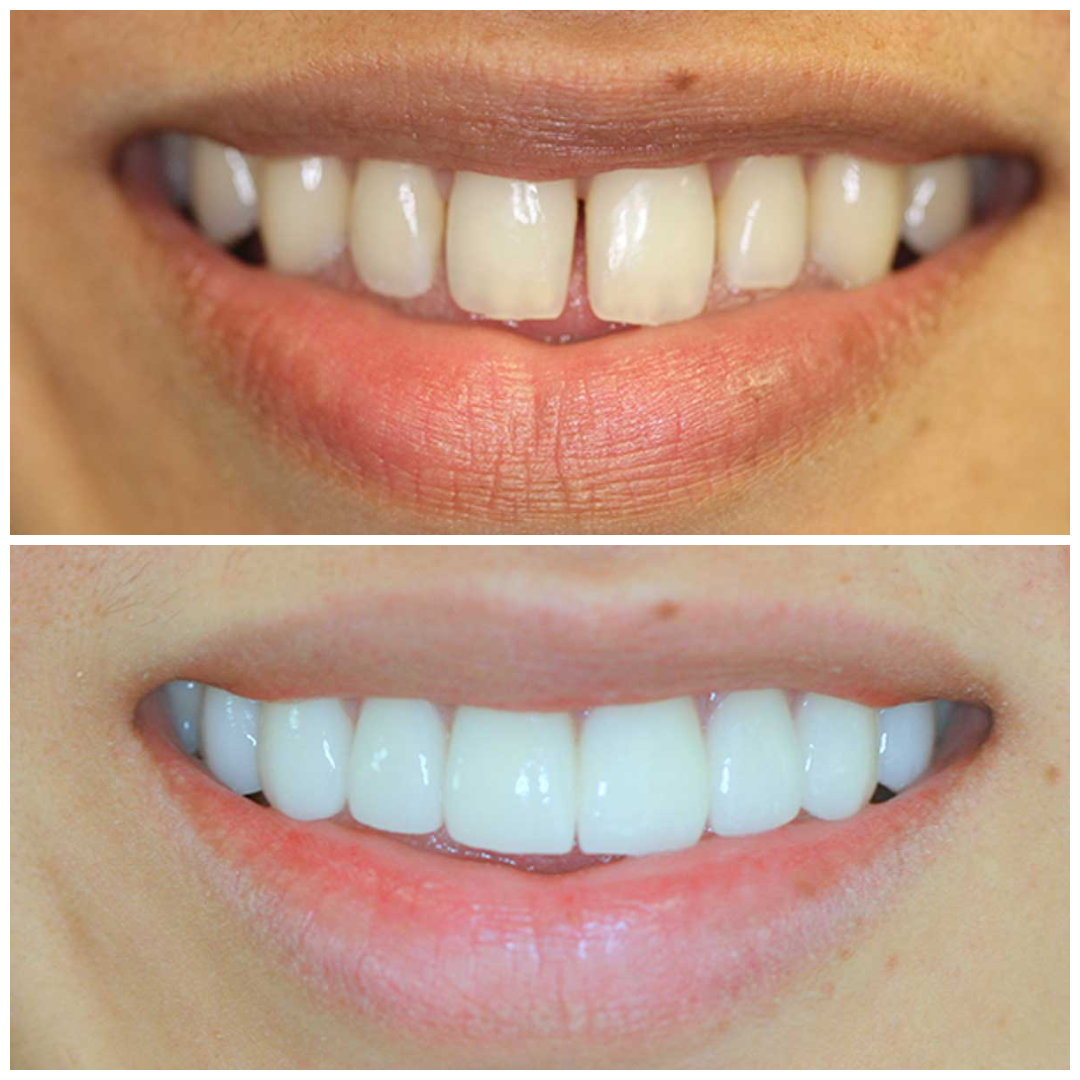
This is the phase when a Sacramento patient who started treatment before a Capitol Hill event or a Folsom wedding starts to see the investment paying off. Side-by-side photos from day one and week eight often show the most motivating early contrast.
Compliance checkpoint: After one to two days without aligners, minor shifting begins and aligners feel tight but still fit. After several days, noticeable movement occurs and the current tray may not seat properly. Staying consistent through this phase protects the new changes that are finally visible.
Plan your Invisalign start date around upcoming events with a personalized D2O timeline.
Months 3–6: Major Invisalign Changes and Smile Transformation
Phase 3 — Major Visible Change
Months three through six represent the phase of major Invisalign progress for most patients, with front crowding significantly improved, gaps nearly closed, and changes noticeable to others. Patients typically complete 12–24 aligner trays by this point. This phase targets rotations, leveling, and bite guidance and is when the most dramatic visual change occurs.
Mild cases at this stage may be nearing completion, while moderate cases involving deeper crowding, a noticeable open bite or overbite, or several rotated teeth typically take 12–18 months total. Regardless of timeline, the goal stays the same: achieve alignment without sacrificing healthy tooth structure.
That principle sits at the center of D2O's tooth-preserving philosophy. Rather than rushing to veneers or crowns, the practice uses clear aligners to create an aligned foundation, protecting natural tooth structure and preparing any future cosmetic work on the healthiest possible base.
Compliance checkpoint: Dropping to 14–16 hours of daily wear on a regular basis can extend a planned 12-month treatment to 15–18 months.
Talk with D2O about tooth-preserving cosmetic planning that fits your Invisalign timeline.
Months 6–18: Refinement, Bite Tuning, and Finishing Touches
Phase 4 — Refinement and Completion
Months six through twelve focus on bite correction including overbite and crossbite adjustments, which require more time due to complex vertical and rotational movements. Because these adjustments are so precise, approximately 70–80% of Invisalign Comprehensive cases require at least one round of refinement aligners, which adds two to four months to the overall timeline.
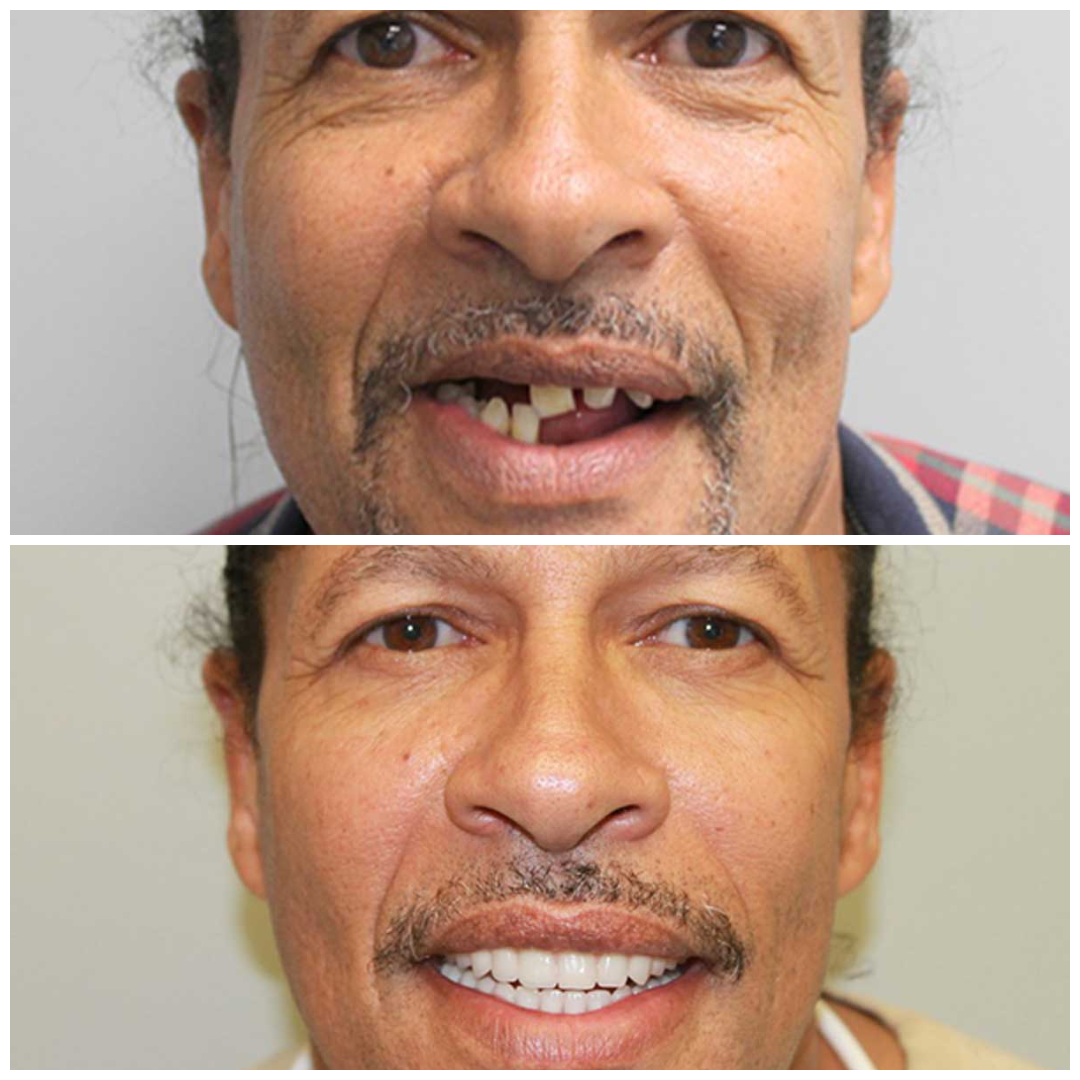
At D2O, completing Invisalign often becomes the gateway to the next step in a smile-makeover journey. KöR whitening, a refrigerated, high-potency professional system, pairs naturally with newly aligned teeth, and prepless veneers or cosmetic bonding can refine the final result without removing healthy enamel.
Compliance checkpoint: Published clinical studies on adult aligner patients have reported average treatment lengths near 22 months once refinements are included. Consistent wear throughout this final phase often separates a good result from a great one.
Plan your finishing phase and cosmetic add-ons with D2O.
Hardest Week of Invisalign: What to Expect and How to Cope
Week one is consistently the hardest part of treatment. The pressure, lisp, and saliva changes described earlier are most intense during this first week, especially in the first 48 hours after the initial tray. The second hardest period is the transition to each new tray, particularly when attachments are added or elastics are introduced around weeks six through eight.
Fortunately, a few simple adjustments can make week one and each tray change far more manageable:
- Switch to a new set of trays before bedtime so teeth adapt during sleep and daytime discomfort is reduced.
- Choose soft foods such as yogurt, mashed potatoes, smoothies, and soft pasta for the first few days of a new aligner.
- Use over-the-counter pain relief as directed for the first 24–48 hours of a new tray cycle.
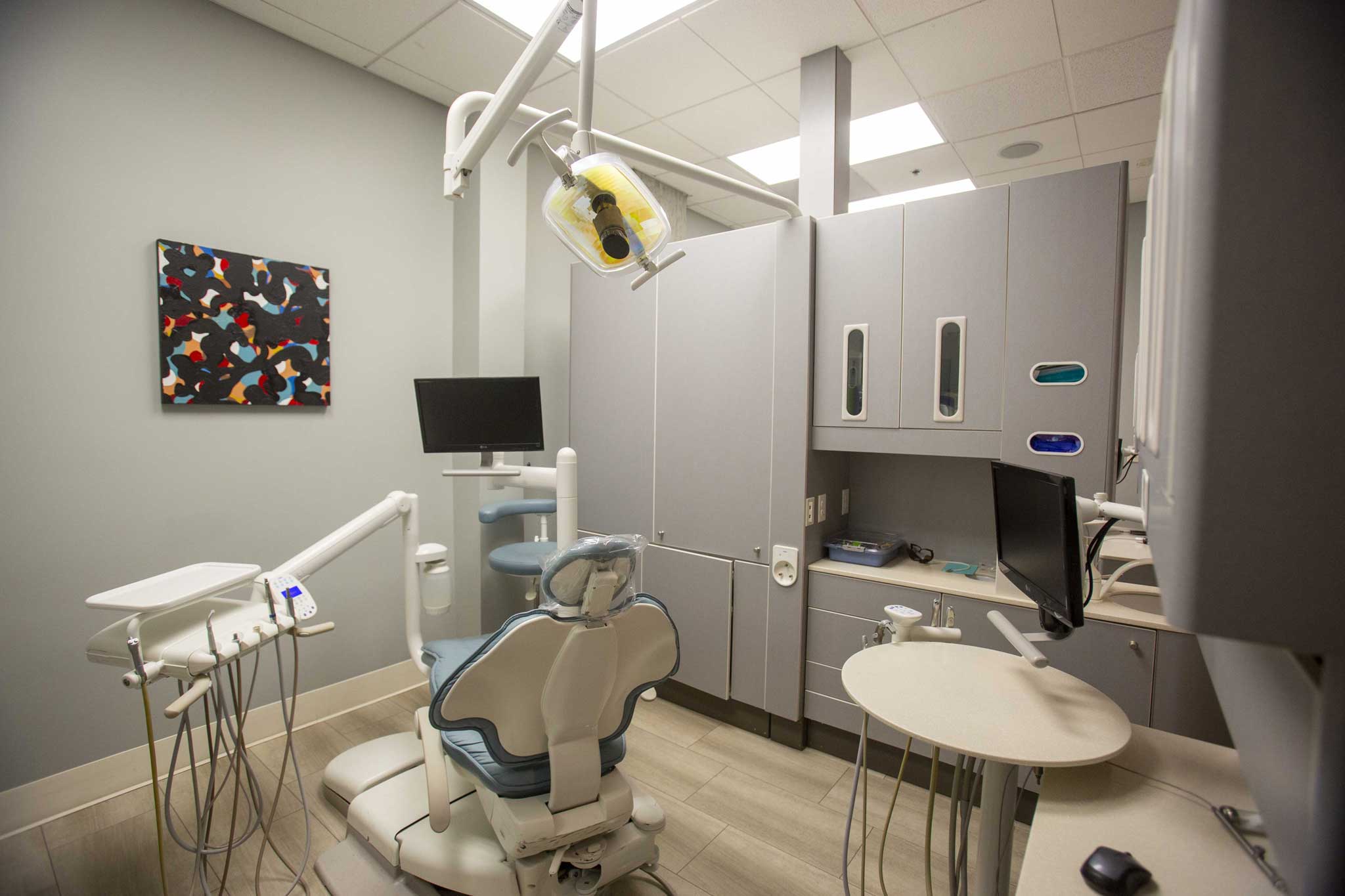
For patients whose anxiety makes even mild discomfort feel overwhelming, D2O offers nitrous oxide and oral conscious sedation for aligner-related appointments, and The Wand removes the sting of any necessary anesthesia. Many patients who once avoided the dentist now feel comfortable returning regularly at D2O.
Arrange an anxiety-aware Invisalign consult at D2O.
Daily Life with Invisalign: Kissing, Eating, and Social Events
Aligners are thin, smooth, and low-profile, so most partners notice little or nothing during kissing. Any initial self-consciousness usually fades within the first two weeks of wear.
Other daily-life realities worth knowing:
- Eating: Aligners are removed before meals, which eliminates food restrictions, broken brackets, and banned foods.
- Drinking: Only plain, cool or room-temperature water is safe to consume while wearing aligners. All other beverages require tray removal to avoid staining, warping, or enamel erosion.
- Speaking: A slight lisp is common for the first 48–72 hours, and the change usually feels more noticeable to the wearer than to others.
- Social events: At social events, patients should bring their aligner case, plan drink consumption in a single sitting, and rinse or brush before reinserting trays to balance lifestyle needs with the 20–22 hour daily wear requirement.
- Sports: Aligners can remain in place during non-contact exercise such as running or gym workouts, but must be removed for contact sports in favor of a mouthguard.
For Sacramento professionals navigating Capitol Hill meetings, Midtown dinner parties, or East Sacramento weekend events, Invisalign's discreet profile fits naturally into an active, image-conscious lifestyle.
See how Invisalign fits your work and social calendar with a D2O visit.
Invisalign Compliance 20–22 Hours: Troubleshooting Table
Compliance directly determines whether your treatment stays on schedule or stretches by many extra months. The table below shows how each wear-time range affects your timeline and what to do if your routine slips, so you can course-correct quickly when life gets busy. All figures reflect general clinical norms; individual outcomes vary by case complexity and provider guidance.
| Daily Wear Time | Likely Effect on Treatment | Risk of Refinements | Recovery Action |
|---|---|---|---|
| 22+ hours | Optimal, predictable tooth movement of about 0.25 mm per tray, and treatment stays on schedule | Lowest | Maintain current routine |
| 20–22 hours | Reliable movement and a practical minimum for most patients | Low to moderate | Aim for 22 hours to build a buffer for real-life interruptions |
| Below 20 hours consistently | Teeth drift backward between wear sessions, the aligner loses snug fit, tracking errors develop, and a 12-month plan can extend to 18–20 months | High | Return to strict 22-hour wear and contact your provider if the tray does not seat fully within 3–5 extra days |
| Single missed day | Minor shifting and tighter feeling on reinsertion, with no lasting damage if isolated | Low if isolated | Reinsert the current tray immediately, wear it for an extra 24–48 hours before advancing, and contact your provider if the tray does not seat fully |
Get a custom wear-time strategy from the D2O team.
Retainer Reality: Protecting Your Invisalign Results Long-Term
Without retention, relapse often occurs in orthodontically moved teeth, with a substantial amount of treatment gains potentially lost in the months after treatment. That is why retainers are not optional; they are the final phase of treatment.
The standard long-term protocol follows three phases:
- Months 0–3 (Full-time): Wear retainers 20–22 hours per day, removing only to eat and brush, so bone and tissues can stabilize.
- Months 3–12 (Transition): Shift to nighttime-only wear of eight to ten hours nightly.
- Year 1 and beyond (Lifelong): Lifelong nightly retainer wear is the accepted standard worldwide, because teeth continue to drift slowly due to chewing, swallowing, and jaw function forces.
D2O supports patients through every stage of this commitment. The practice's whole-body wellness lens, which screens for bruxism, acid erosion, and airway concerns, means retainer wear is monitored alongside overall oral health at every maintenance visit. Patients from Davis, Vacaville, El Dorado Hills, and across Northern California return to D2O for ongoing care because the relationship continues well beyond the last aligner.
Plan your long-term retainer and wellness strategy with D2O.
Frequently Asked Questions About Invisalign Results
How long does Invisalign take for mild versus complex cases?
Treatment duration depends on case complexity. Mild cases involving minor crowding or small gaps typically complete in six to nine months. Moderate Invisalign cases generally take 9 to 14 months. Complex cases involving significant bite correction or severe crowding may require eighteen to twenty-four months or longer, especially when refinement rounds are needed. Results vary by individual, and a personalized consultation is the only reliable way to estimate your specific timeline.
When will I actually see a difference in my smile?
Most patients notice the first visible changes between weeks six and eight, when gaps begin closing and overlapping teeth start to separate. The most dramatic transformation usually occurs between months three and six, when front crowding improves significantly and friends or colleagues start commenting without prompting. Early movement in weeks one through four is real but measured in fractions of a millimeter, so it is happening even when you cannot see it yet.
What happens if I miss a day of wearing my aligners?
A single missed day rarely derails months of progress. Teeth begin shifting back toward their original positions within hours of aligner removal, so the current tray will feel tighter upon reinsertion. The recommended recovery is to reinsert the current tray immediately and wear it for an extra twenty-four to forty-eight hours before advancing to the next set. If the tray does not seat fully after several extra days of wear, contact your provider, because a rescan or refinement aligners may be needed. Repeated missed days, rather than isolated ones, are what extend timelines and increase the likelihood of additional aligner rounds.
Is Invisalign comfortable enough for someone with dental anxiety?
For most patients, yes. Aligners apply gentle, continuous pressure rather than the acute discomfort associated with traditional braces or many dental procedures. The primary sensations are pressure and tightness for the first twenty-four to forty-eight hours after each new tray, which signals that teeth are moving as planned. At D2O, patients with significant dental anxiety have access to nitrous oxide, oral conscious sedation, and IV sedation for any associated appointments, along with The Wand for pain-free anesthesia and the full five-senses dental-spa environment. Many patients who once avoided the dentist entirely now feel comfortable returning regularly.
Do I need to wear a retainer forever after Invisalign?
The current evidence-based recommendation is indefinite nightly retainer wear. Teeth continue to shift slowly throughout adulthood due to chewing forces, soft tissue pressure, and natural aging. The standard protocol is full-time retainer wear for the first three to six months after treatment, followed by nightly wear every night without exception. Patients who stop wearing retainers after a few months typically experience noticeable shifting within a year and significant relapse within five years. Retainer wear is a small ongoing habit that protects the full investment of treatment.
Ready to Start Your Invisalign Journey in Sacramento?
A realistic timeline, clear compliance guidance, and a comfort-first environment help most adults move from considering Invisalign to actually starting it. This guide has mapped the progression from the first tray to the final retainer so the path forward feels clear before the first appointment.
D2O Dental is Sacramento's first dental spa, located at 1816 L Street in Midtown Sacramento, steps from the State Capitol. Dr. Edward Wiggins II and the D2O team serve patients from across Northern and Central California and the greater Bay Area, from Roseville, Folsom, and El Dorado Hills to San Francisco, San Jose, and the Lake Tahoe corridor, because cosmetic dentistry is destination-driven and the right experience is worth the drive.
To schedule an in-person or virtual consultation, call (916) 442-7000 or use the link below. Every plan begins with a personalized assessment with no templates, no pressure, and a clear picture of what is possible for your smile.