Key Takeaways
- Sedation dentistry uses medication to reduce anxiety, manage pain, and suppress reflexes so you can receive care comfortably with little to no memory of the procedure.
- Nearly 73% of U.S. adults report dental fear, and sedation dentistry helps break the cycle of avoidance that leads to emergency treatments and preventable tooth loss.
- Options at D2O Dental include oral conscious sedation, nitrous oxide, and IV sedation, each matched to the patient’s anxiety level and procedure complexity.
- Sedation improves safety and effectiveness for complex treatments like full-mouth reconstruction and smile makeovers, often reducing the number of required visits.
- If fear has kept you away from the dentist, request a consultation at D2O Dental to explore a fully personalized sedation plan.
Benefits of Sedation Dentistry at a Glance
Before you dive into the details, this quick overview shows how sedation dentistry can change your experience across several key areas.
| Benefit | What It Means for You |
|---|---|
| Anxiety and phobia relief | Reduces the brain’s fear response so treatment that once felt impossible becomes manageable |
| Pain control | Works alongside local anesthesia to eliminate discomfort during and after procedures |
| Gag reflex suppression | Allows impressions, cleanings, and restorations to proceed without repeated interruptions |
| Amnesia effect | Most patients retain little or no memory of the appointment, which makes the next visit feel less daunting |
| Fewer appointments | Relaxed patients allow dentists to complete more work per visit, compressing a multi-visit plan into fewer sessions |
| Access to complex cosmetic work | Smile makeovers and full-mouth reconstruction become achievable in a single comfortable sitting |
The Problem: Dental Fear Keeps Millions from Care
A 2025 study published in the Journal of the American Dental Association found that nearly 73% of U.S. adults report some level of dental fear. Globally, a systematic review and meta-analysis of 72,577 participants across 31 studies estimated the prevalence of dental fear and anxiety in adults at 15.3%, with some patients meeting criteria for severe clinical phobia. This level of fear can cause complete avoidance of care even when someone is in pain.
The consequences compound over time. People with dental phobia often delay care for years, which results in emergency extractions instead of root canals and untreated periodontal disease that leads to preventable tooth loss. This pattern of avoidance does not just damage oral health, it also creates a financial penalty. Highly anxious dental patients can end up spending more on lifetime dental treatments because preventable issues progress into emergencies. For adults in Sacramento, Roseville, Folsom, El Dorado Hills, Davis, and across the Bay Area, this cycle plays out quietly. A skipped cleaning becomes a cavity, a cavity becomes an extraction, and years pass without care.
The triggers are familiar. Many people react to the sound of the drill, the sting of the needle, the clinical smell, or the memory of a painful childhood visit. Common triggers of dental anxiety among adults include pain, drilling, and gag reflex. Fear is not a character flaw, it is a measurable clinical barrier, and sedation dentistry provides an evidence-based way to address it.
The Solution: Sedation Dentistry for Fearful Patients
Sedation dentistry addresses dental fear at its source by changing the body’s neurological and physiological response to treatment. Instead of asking a fearful patient to simply endure an appointment, it changes the experience itself. Sedation reduces the perception of time, suppresses the gag reflex, blocks pain signals, and often produces amnesia that breaks the cycle of avoidance. When chosen according to clinical criteria with realistic expectations, conscious sedation enables treatment continuity, reduces emergency dental situations, and helps patients maintain regular oral health care they would otherwise avoid.
At D2O Dental, Sacramento’s first dental spa, sedation is not an add-on reserved for extreme cases. It is a core clinical capability, offered across a full spectrum of options that include oral conscious sedation, nitrous oxide, and IV sedation. Each approach is matched to the patient’s anxiety level and the complexity of the procedure.
How Sedation Dentistry Works: From Evaluation to Recovery
Understanding what sedation dentistry is matters less than understanding how it actually works in practice. A sedation appointment begins with a thorough medical history review. The safest sedation approach uses the lightest level that still allows the patient to complete treatment comfortably, with safety depending on practitioner expertise, strict protocol adherence, and thorough pre-procedure medical history and airway evaluation. This evaluation determines the specific modality for each patient.
On the day of the appointment, the chosen sedative is administered orally, by inhalation, or intravenously. Conscious sedation induces a controlled state of relaxation in which patients remain responsive and able to cooperate, while reducing fight-or-flight responses, easing cooperation, and lowering perceived tension during dental procedures. Local anesthesia is still used when clinically indicated. Sedation enhances comfort but does not replace targeted numbing.
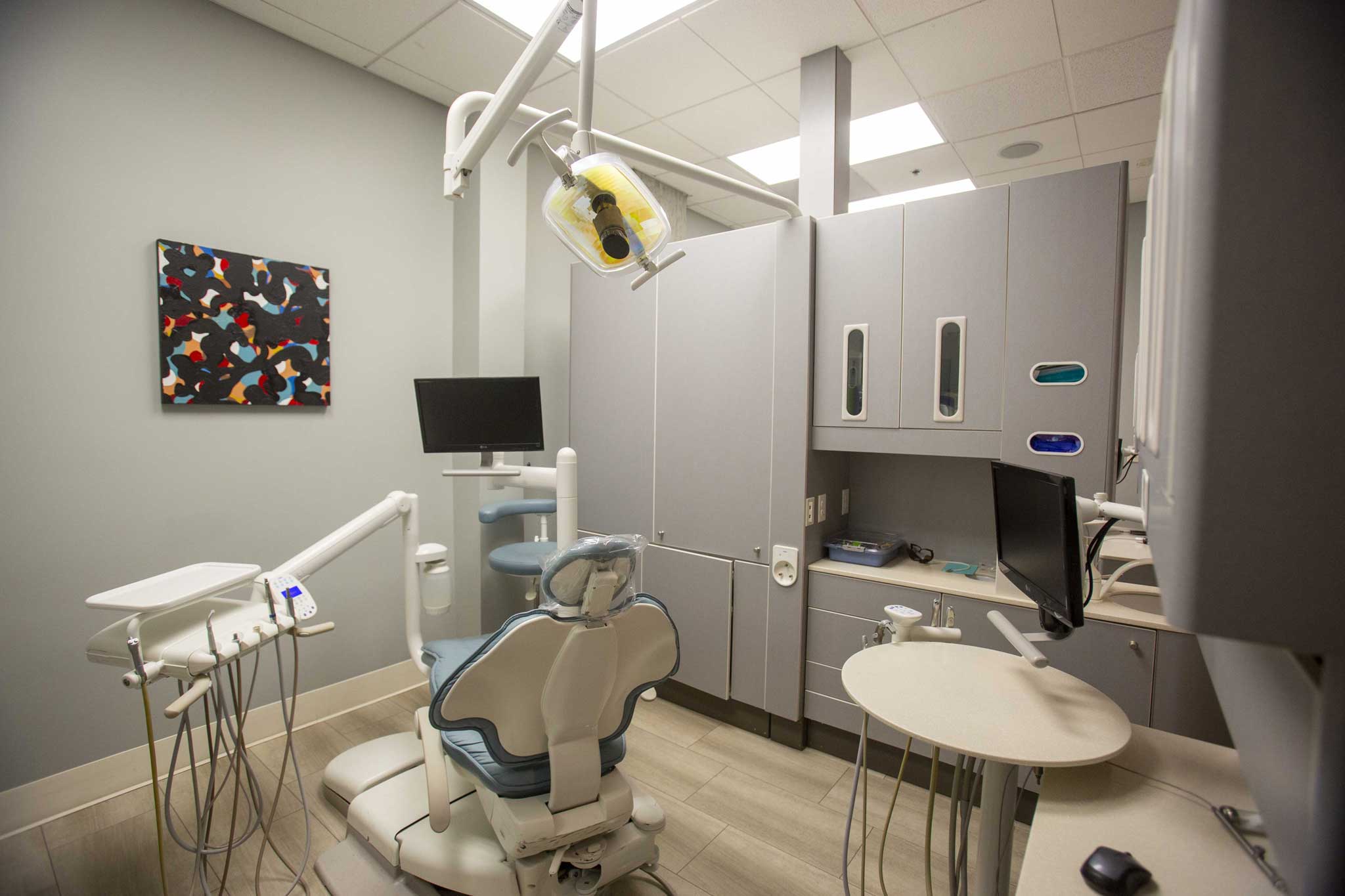
At D2O, the sedation workflow is layered with the practice’s five-senses environment, including aromatherapy, noise-cancellation headsets, video goggles, warm fragranced towels, and neck warmers. This means the calming process begins before any medication is given. For patients with gag reflex concerns, this environment is further enhanced by The Wand’s computer-controlled single-tooth anesthesia and the SOLEA laser’s drill-free approach, which together minimize the physical triggers that provoke gagging. For patients who need only mild support, the American Dental Association states that nitrous oxide is a safe and effective method for managing pain and anxiety when administered by trained dental professionals, and its effects wear off within minutes of mask removal. For more complex cases or severe phobia, IV sedation provides precise, real-time control over sedation depth throughout the procedure.
Evidence and Benchmarks for Sedation Dentistry Safety and Effectiveness
Sedation dentistry has a low mortality rate when proper protocols, patient screening, and continuous monitoring are followed by trained professionals. Systematic reviews published in peer-reviewed medical journals confirm that serious complications from dental sedation are rare when proper screening and monitoring protocols are followed. This strong safety record forms the foundation for evaluating how effective sedation can be.
With safety established, the evidence for effectiveness is also clear. Studies have shown that patients who received intravenous sedation for posterior implant placement reported higher relaxation and lower pain perception compared to those treated with local anesthesia alone. The same research reported higher maintenance attendance within six months after treatment in the IV sedation group versus the local anesthesia group. This finding shows how sedation can reshape not just a single appointment, but a patient’s long-term relationship with dental care.
This pattern of improved outcomes appears across different sedation protocols. Randomized controlled trials have found that IV midazolam sedation can achieve substantial anxiety reduction and high patient satisfaction.
Sedation Dentistry Anxiety Relief
Patients whose anxiety ranges from moderate nervousness to a racing heart at the thought of an appointment often need more than reassurance. Sedation lowers a patient’s stress by reducing the brain’s response to fear, enabling completion of dental procedures that might otherwise be avoided due to anxiety.
The amnesia effect is particularly significant. In a study by Daly et al., many participants clearly remembered their worst dental visits and some used sensory details to describe them. Sedation makes it harder to remember these details, which makes scheduling the next visit less overwhelming and encourages regular checkups. At D2O, patients who once avoided the dentist for years now look forward to their visits. That shift often begins with a single comfortable appointment.
Sedation Dentistry for Severe Dental Phobia
Between 3 and 5 percent of adults experience dental phobia severe enough to avoid care completely, which leads to compounding oral health issues of increased complexity and cost. For this group, behavioral reassurance alone rarely works. IV sedation induces a state of near-unconsciousness while still allowing patients to respond to basic instructions, making it highly effective for individuals with extreme dental fear who have delayed treatment.
Effective integration of pharmacological sedation with patient-centered communication transforms patients with severe dental anxiety into compliant, regular attendees who can access complex treatments such as full-mouth reconstruction. At D2O, Dr. Edward Wiggins II and his team approach phobic patients without judgment. The practice was built specifically for people who have been told, or have told themselves, that they simply cannot do this.
Sedation Dentistry Gag Reflex Control
Gag reflex is a common trigger of dental anxiety for many adults, and for some patients it is the primary barrier to completing impressions, cleanings, X-rays, and restorations. Sedation helps suppress a strong gag reflex so dentists can complete procedures such as cleanings, impressions, or fillings without repeated interruptions.
A 2026 prospective comparative study of 52 adult patients referred for IV sedation found that pharmacologic sedation is effective for managing dental anxiety, though it may benefit from additional behavioral or local management strategies in cases where hypersensitive gag reflex is the primary concern. At D2O, this multi-layered approach addresses gag reflex from several angles at once.
Is Sedation Dentistry Worth It?
For patients who have delayed care for years, the real question is whether the cost of continued avoidance is sustainable. As noted earlier, this avoidance creates a financial penalty that compounds over time.
Sedation also unlocks access to elective cosmetic and reconstructive work that would otherwise feel unmanageable. Full-mouth reconstruction, which combines multiple restorative and cosmetic treatments such as crowns, veneers, and implants across lengthy sessions, benefits from sedation dentistry so patients can complete much of their treatment in one sitting without discomfort. Smile makeovers involving multiple veneers, crowns, or bonding in a single session often exceed several hours, making oral or IV sedation a recommended option to support a smoother experience.
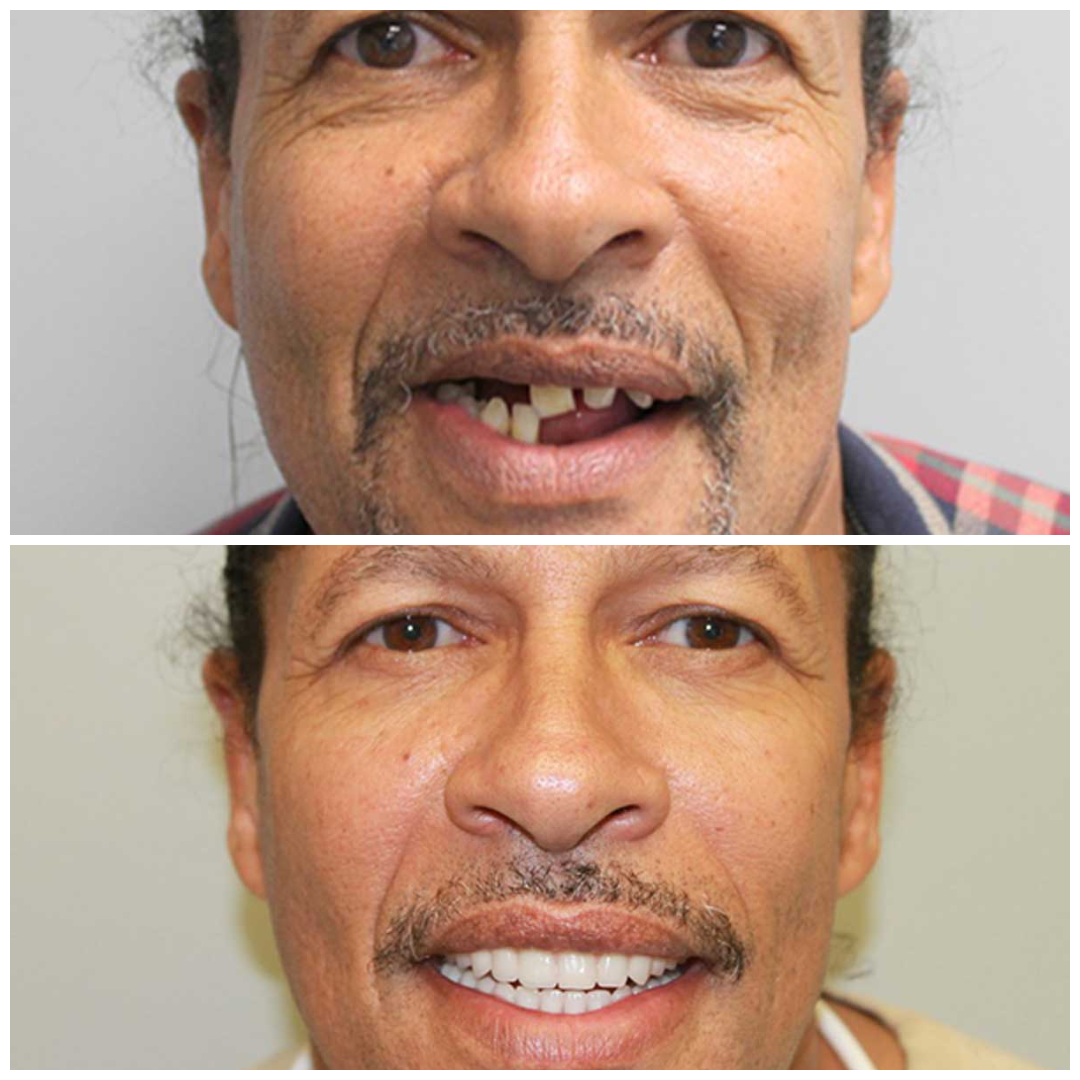
At D2O, sedation often serves as the bridge between years of avoidance and a complete smile transformation. Patients from Midtown Sacramento, El Dorado Hills, Folsom, and as far as the Bay Area have used a single sedated appointment to begin or complete smile makeovers and full-mouth reconstructions that once felt out of reach. Flexible financing through Cherry and CareCredit helps make the investment manageable without requiring insurance coverage.
Comparing Sedation Levels: Oral, Nitrous, and IV Sedation Dentistry
Choosing the right sedation level depends on your anxiety level, the complexity of your procedure, and your medical history. This comparison shows how the three main options differ in ways that affect your visit and recovery.
| Sedation Type | How It’s Administered | Depth of Sedation | Recovery Time | Best For |
|---|---|---|---|---|
| Nitrous oxide | Inhaled through a nasal mask | Minimal, patient fully conscious | Effects wear off within minutes of mask removal | Mild anxiety, shorter procedures, patients who need to drive themselves |
| Oral conscious sedation | Pill taken before the appointment | Minimal to moderate, patient drowsy but responsive | Drowsiness typically lasts 4–8 hours, driver required | Moderate anxiety, patients who prefer no needles for sedation delivery |
| IV sedation | Intravenous line placed before treatment | Moderate to deep, patient near-unconscious but responsive | Drowsiness lasts several hours, driver and rest day required | Severe anxiety, strong gag reflex, lengthy surgical procedures, full-mouth reconstruction |
Sedation Dentistry Safety: Risks, Limitations, and Evaluation Criteria
Sedation dentistry is safe for the vast majority of healthy adults when trained professionals follow established protocols. Sedation dentistry safety is enhanced by pre-sedation medical screening, continuous monitoring of oxygen saturation, heart rate, blood pressure, and breathing, emergency preparedness with oxygen and reversal agents, patient fasting instructions, and post-procedure observation until discharge criteria are met.
Certain populations require additional evaluation. Patients with obstructive sleep apnea, cardiovascular disease, obesity, respiratory conditions such as COPD or asthma, medication allergies, or who are pregnant face elevated risks and require thorough medical history review before sedation. Midazolam clearance can drop by 50% in adults over 65, which is one reason safety protocols for seniors include continuous pulse oximetry and frequent blood pressure checks.
Common side effects, including lingering drowsiness, dry mouth, mild headache, and temporary memory loss, are usually brief and resolve within hours to a day. Serious adverse events are rare. Every sedation appointment at D2O includes a comprehensive pre-treatment evaluation to confirm candidacy and select the appropriate level of sedation for each individual patient.
Frequently Asked Questions
Will I be completely unconscious during sedation dentistry?
Not with conscious sedation. Nitrous oxide, oral sedation, and IV sedation all produce a state of deep relaxation in which you remain able to respond to simple instructions. You will not be fully unconscious the way you would be under general anesthesia. Most patients describe the experience as feeling as though they drifted off and woke up with the procedure already finished. General anesthesia is a separate category, typically performed in a hospital setting, and is not the standard approach for most dental procedures.
How does sedation dentistry help with a strong gag reflex?
Sedation reduces the sensitivity of the gag reflex by calming the nervous system’s response to stimulation in the mouth and throat. This allows the dentist to take impressions, place restorations, and perform cleanings or surgical procedures without repeated interruptions.
Can I have cosmetic work like veneers or a smile makeover done under sedation?
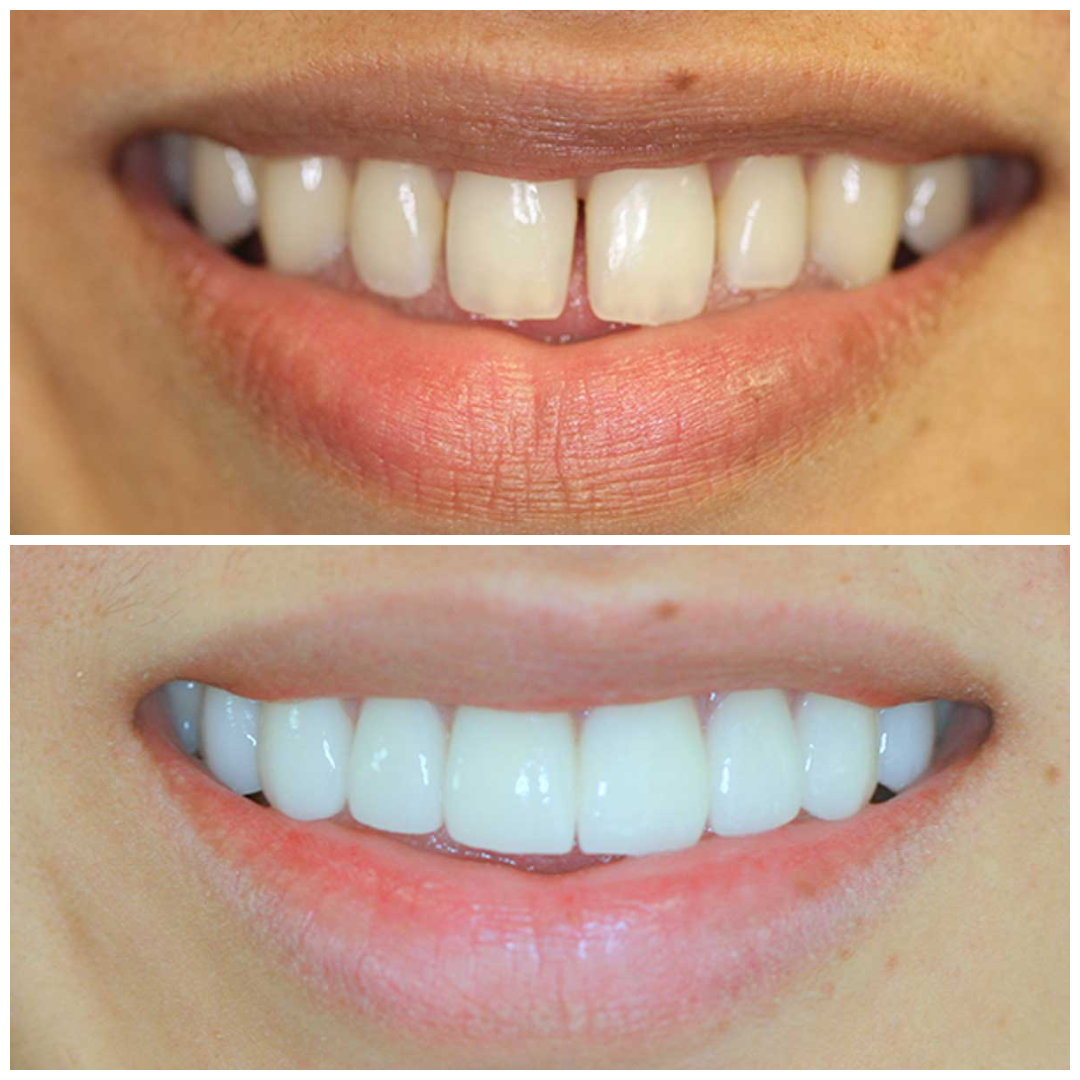
Yes. Sedation works especially well for cosmetic and reconstructive procedures because they often involve multiple steps completed over a long appointment. At D2O, patients undergoing prepless veneers, smile makeovers, or full-mouth reconstruction can receive oral or IV sedation so that several hours of treatment feel like a brief, comfortable rest. This approach compresses what might otherwise require multiple visits into fewer appointments, which is especially helpful for patients traveling from Roseville, El Dorado Hills, Davis, or the Bay Area.
Is sedation dentistry safe if I have health conditions?
Safety depends on a thorough pre-treatment evaluation. Most healthy adults are excellent candidates for at least one level of sedation. Patients with sleep apnea, cardiovascular conditions, respiratory disease, or certain medication regimens require additional screening to determine the safest approach. At D2O, every sedation consultation includes a complete medical history review and, when indicated, coordination with the patient’s physician. The team always aims to use the lightest level of sedation that allows treatment to be completed comfortably.
What should I expect during recovery after sedation dentistry?
Recovery varies by sedation level. Nitrous oxide clears within minutes of mask removal, and most patients can resume normal activities the same day. Oral sedation and IV sedation produce drowsiness that typically lasts four to eight hours, so a responsible adult must drive you home and you should plan to rest for the remainder of the day. Mild side effects such as dry mouth, slight nausea, or grogginess are common and resolve quickly. D2O provides detailed post-sedation instructions at every appointment so patients and their companions know exactly what to expect.
Conclusion: Taking the Next Step Toward Comfortable Care
Dental fear is one of the most common barriers to health in the United States, and it is also one of the most treatable. Sedation dentistry removes the physiological and psychological obstacles that keep millions of adults from the care they need, whether that means a first cleaning in a decade, a full-mouth reconstruction, or a smile makeover that has been on hold for years. The evidence is consistent. Sedation reduces anxiety, suppresses the gag reflex, enables complex procedures in fewer visits, and builds the kind of positive dental memory that makes the next appointment easier to schedule.
D2O Dental was founded in 2010 specifically for patients the traditional dental model leaves behind. The five-senses dental-spa environment, full-spectrum sedation, The Wand’s pain-free anesthesia, and SOLEA no-shot laser dentistry are not amenities, they are clinical tools designed to make care genuinely comfortable for every patient, from mild nervousness to severe phobia. Dr. Edward Wiggins II and his team serve patients from Midtown Sacramento, Carmichael, Folsom, El Dorado Hills, Davis, and across Northern California and the Bay Area, with flexible financing through Cherry and CareCredit to make personalized care accessible.
Take the first step toward comfortable, fear-free dental care, and schedule your consultation today. Call (916) 442-7000 or visit D2O Dental at 1816 L Street, Midtown Sacramento.