Key Takeaways for Choosing a Sacramento Cosmetic Dentist
-
Cosmetic dentistry is not an ADA-recognized specialty, so you must actively verify credentials like AACD accreditation and advanced training programs such as the Kois Institute.
-
Comfort and anxiety management are clinical priorities. Look for practices that provide sedation options, laser dentistry, and sensory-friendly environments to reduce fear.
-
Choose a dentist committed to preserving tooth structure by prioritizing prepless or minimally invasive veneers whenever clinically appropriate.
-
Red flags include rushed consultations, same-day quotes without diagnostics, and pressure tactics. Always insist on comprehensive records and a personalized treatment plan.
-
Schedule your consultation to explore a personalized treatment plan.
Step 1: Verify Advanced Training and Real Cosmetic Credentials
Cosmetic dentistry has no ADA-recognized specialty board, so you must investigate credentials yourself. AACD Accreditation is the gold standard credential in the field, requiring a rigorous multi-year process of written exams, peer-judged clinical case submissions, and an oral examination, and fewer than 500 dentists worldwide hold it. Ask whether a dentist is pursuing AACD accreditation, and look for named post-graduate programs such as the Kois Institute, Spear Education, or Dawson Academy instead of vague claims of “extensive continuing education.”
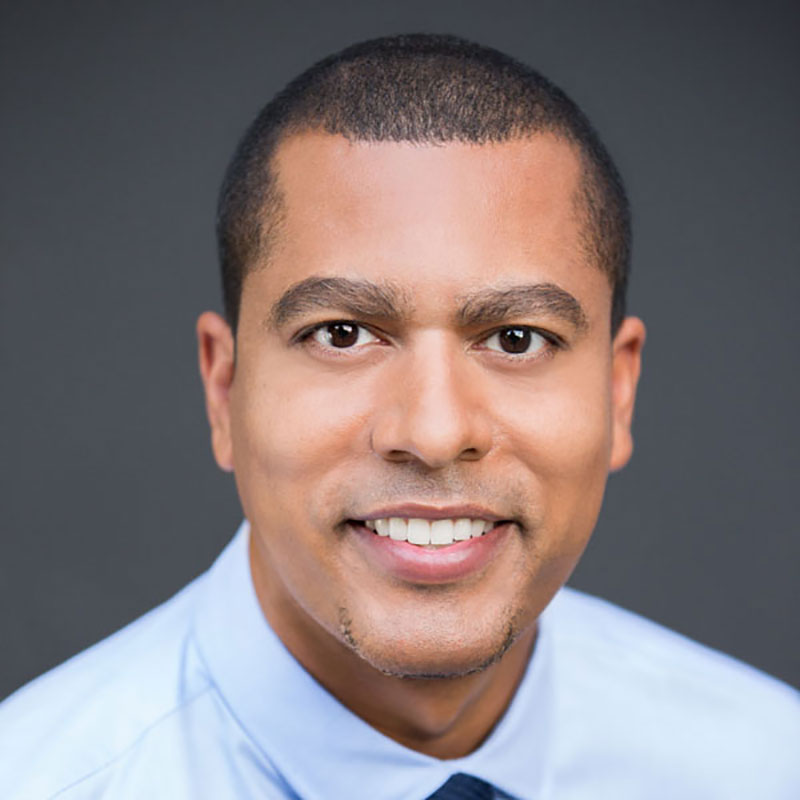
Dr. Edward Wiggins II, founder of D2O Dental in Midtown Sacramento, trained at the University of California, San Francisco and completed the Kois Institute curriculum in Seattle, one of the most rigorous occlusion and restorative continuum programs in dentistry. He holds a Fellowship at the California Implant Institute, is pursuing a Master’s in Surgical and Prosthetic Oral Implantology, and has been a CEREC user since 2003, which places him among the most experienced same-day ceramic clinicians in Northern California. D2O is currently pursuing AACD accreditation to align with the highest cosmetic standards.
Step 2: Evaluate Comfort Systems and Anxiety Management
Comfort functions as a clinical capability, not a luxury perk. Common triggers of dental anxiety include fear of pain, the smell of chemicals, and the sound of the drill. A practice that truly serves anxious patients addresses these triggers before treatment begins.
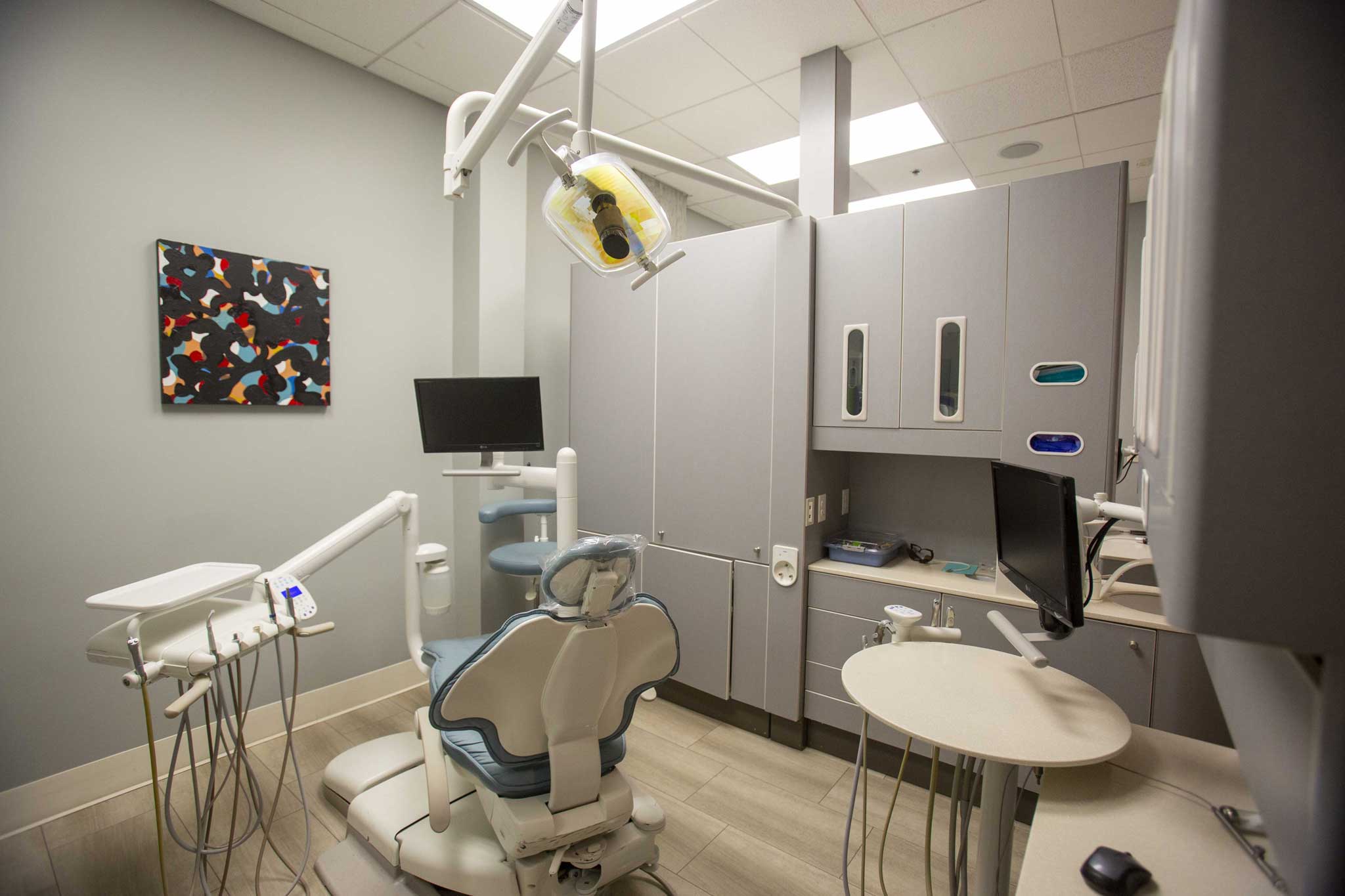
D2O Dental opened as Sacramento’s first dental spa specifically to solve this anxiety problem. The five-senses environment, including aromatherapy, noise-cancellation headsets, video goggles, warm fragranced towels, and neck warmers, addresses the sensory triggers of smell, sound, and physical discomfort before any clinical work starts. For patients whose fear runs deeper than sensory triggers alone, D2O offers a full sedation spectrum: nitrous oxide, oral conscious sedation, and IV sedation. The SOLEA laser treats many cavities with no shot and no drill, and The Wand delivers computer-controlled, single-tooth anesthesia that removes the sting and pressure of a traditional injection. Many patients who once avoided the dentist entirely now return regularly and even look forward to their visits at D2O.
Step 3: Confirm a Tooth-Preserving Veneer Philosophy
Traditional veneers require removal of 0.3–0.7 mm of tooth enamel, which is a permanent step that cannot be reversed. Prepless veneers, by contrast, bond ultra-thin porcelain shells to the tooth with minimal or no enamel alteration. A prospective study comparing conventional versus no-prep or minimally invasive veneers over a mean period of 9 years found comparable survival rates between both approaches, showing that prepless veneers can be just as durable as traditional veneers when properly indicated.
Candidacy determines whether prepless veneers make sense. No-prep veneers are indicated for slightly undersized or worn teeth, minor spacing under 2 mm, mild surface irregularities, and healthy enamel without active decay or gum disease, and are contraindicated for severely crowded or rotated teeth, already large or protrusive teeth, very dark tetracycline-stained teeth, active periodontitis, or severe untreated bruxism. D2O leads with prepless veneers and a philosophy of preserving natural tooth structure whenever possible, and reserves traditional preparation only when the clinical case genuinely requires it.
Step 4: Use Red-Flag Checklists and Planning Standards
A thorough cosmetic consultation takes time and careful evaluation. A consultation lasting only 15–20 minutes is a red flag because thorough planning requires comprehensive evaluation including oral health diagnosis, TMJ and jaw exam, bite analysis, and diagnostic records such as photos and scans. Beyond rushed timing, watch for these specific warning signs that indicate a practice prioritizes speed over patient outcomes:
-
Treatment recommendations made before any oral exam is completed
-
Receiving a formal quote for extensive work at the first visit without diagnostic records, a wax-up, or a provisional phase
-
Rushed or pressured consultations featuring same-day smile makeover specials or pressure to book before leaving
-
Ignoring bite dynamics, jaw joint health, and wear patterns before altering tooth structure
-
Discouraging patients from seeking a second opinion
-
A before-and-after portfolio that lacks variety in starting points or consists of stock photos
At D2O, every cosmetic case begins with comprehensive diagnostic records, digital smile design, and a personalized treatment roadmap. Patients never receive a same-day high-pressure quote.
Step 5: Weigh Realistic Costs, Financing, and Timelines
Cosmetic dentistry represents a significant investment, so transparent cost conversations signal a trustworthy practice. In the greater Sacramento area and Northern California, porcelain veneers generally range from $1,200–$2,500 per tooth in the Sacramento or Elk Grove market, with San Francisco practices often charging more for traditional porcelain. A standard smile makeover involving six porcelain veneers, professional whitening, and gum contouring can represent a substantial national investment, and full-mouth reconstruction ranges considerably higher, depending on components.
Timelines depend on the scope of treatment. Minimal makeovers with whitening and bonding typically require one to two weeks. Moderate cases with six to eight veneers take four to six weeks. Comprehensive cases involving orthodontics or implants range from six to eighteen months. D2O offers flexible financing through Cherry, with quick approval and no hard credit check, and through CareCredit, with short-term interest-free and longer-term options, so treatment can align with your goals instead of a rigid fee schedule.
Step 6: Bring Targeted Questions to Your Consultation
Arriving prepared turns a consultation from a sales pitch into a real clinical conversation. Bring this list of questions to any cosmetic dentistry consultation in Sacramento or beyond:
-
What post-graduate cosmetic training have you completed in the last two years, and are you pursuing AACD accreditation?
-
How many full smile designs using veneers or crowns do you complete each month?
-
Will my case require enamel reduction, and if so, how much per tooth?
-
Am I a candidate for prepless veneers, and what are the specific reasons for or against?
-
What sedation options are available, and which do you recommend for my anxiety level?
-
Will I receive a provisional or trial smile before any permanent work is placed?
-
What diagnostic records, such as X-rays, CBCT, photos, and bite analysis, will you take before treatment planning?
-
How will you address my bite, jaw health, and any grinding habits?
-
What does long-term maintenance look like, and what is the expected lifespan of the proposed restorations?
-
Can I see before-and-after photos of your own patients with a similar starting point to mine?
These questions help you evaluate clinical competence and treatment philosophy during your consultation. Ready to ask these questions in person? Request your consultation with D2O Dental.
Step 7: Evaluate Experience, Wellness Focus, and Location
The right cosmetic dentist for you combines a supportive environment, a compatible philosophy, and a location that makes long-term care realistic. D2O Dental is located at 1816 L Street in Midtown Sacramento, close to the State Capitol, which makes it accessible from Downtown, East Sacramento, Roseville, Folsom, El Dorado Hills, Davis, Carmichael, Lincoln, Arden-Arcade, Vacaville, Stockton, Fresno, the Bay Area including San Francisco and San Jose, and the Lake Tahoe and Reno corridor. Cosmetic dentistry often functions as a destination service, and D2O has welcomed patients from across a 200-mile radius of Northern and Central California.
Beyond geography, consider whether the practice treats oral health as part of overall well-being. D2O applies a whole-body wellness lens that screens for airway concerns, acid erosion, cardiovascular indicators, and nutritional factors. The team treats the mouth as part of the whole person, not as an isolated system.
Measuring Comfort, Function, and Aesthetic Results
Success in cosmetic dentistry spans three dimensions: comfort during treatment, restored or improved function, and a natural appearance that harmonizes with your face. A patient who arrives at D2O with years of anxiety and leaves with a smile that looks like them, not a template, and who returns willingly for maintenance represents a successful outcome. Results vary by case, so every plan starts with a personalized consultation rather than a standardized package.
Consider a hypothetical patient, a professional in her mid-thirties from Folsom who has avoided the dentist for eight years after a painful childhood experience. She begins with KöR whitening as the gateway to her smile-makeover journey, experiences the five-senses environment, and realizes that care at D2O feels completely different from what she feared. Over the following months, she completes prepless veneers on her upper six teeth using CEREC same-day ceramics, with no aggressive enamel reduction and no temporary crown phase. Her outcome is a natural-looking smile that preserves her tooth structure and rebuilds her trust in dentistry.
Advanced Planning for Complex Cases and Long-Term Care
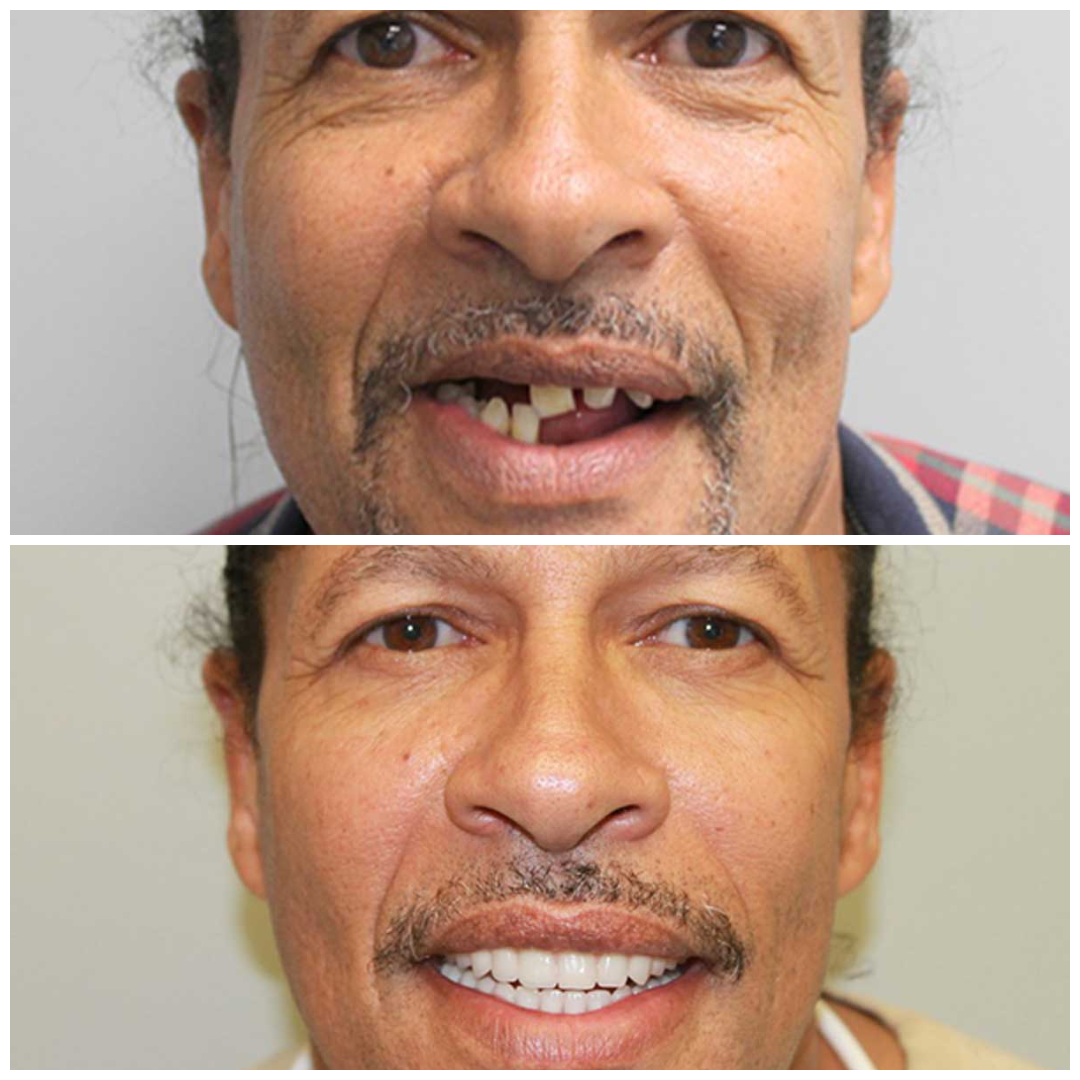
Full-mouth reconstruction, which combines crowns, bridges, implants, veneers, and periodontal care into a single coordinated plan, requires a clinician with both advanced training and modern technology. Dr. Wiggins applies the training described earlier, combining his Kois Institute foundation with his California Implant Institute fellowship and in-progress master’s in surgical and prosthetic oral implantology, and pairs it with CBCT 3D imaging for precise implant planning and All-on-4 or All-on-X restorations for patients who need a full arch rebuilt on fixed implants.
Long-term maintenance for cosmetic work follows a consistent protocol. Veneer patients benefit from professional cleanings every three to six months, a custom nightguard for anyone with bruxism, and avoidance of hard biting on front teeth. Properly bonded veneers can achieve high survival rates at ten years, and lithium disilicate veneers provide high flexural strength with long expected lifespans when case selection and maintenance protocols are followed.
Frequently Asked Questions
What disqualifies you for veneers?
Active gum disease, significant tooth decay, insufficient enamel, and severe untreated bruxism are the primary disqualifying conditions for veneers. These issues must be resolved before any cosmetic work begins. Additionally, teeth that are already large, prominent, or severely rotated are generally poor candidates for prepless veneers specifically, because adding porcelain to an already full tooth creates a bulky, unnatural result. A thorough diagnostic evaluation, including X-rays, periodontal assessment, and bite analysis, determines candidacy before any treatment is planned.
How much do veneers cost in Sacramento?
As mentioned in the cost section above, Sacramento-area veneers fall in the $1,200–$2,500 range per tooth, depending on the clinician’s experience, laboratory quality, and case complexity. A standard smile makeover involving six to eight upper front teeth commonly falls between $9,000 and $20,000. Composite veneers cost less upfront but usually require replacement sooner. D2O offers financing through Cherry and CareCredit to keep treatment manageable, and many patients begin with KöR whitening as an affordable first step before moving to a fuller smile makeover.
What are the red flags of cosmetic dentists?
The most significant red flags include consultations shorter than 30 minutes with no diagnostic records taken, formal treatment quotes presented at the first visit without a wax-up or provisional phase, same-day high-pressure booking incentives, vague or dismissive answers about enamel removal amounts and long-term maintenance, a before-and-after portfolio that lacks variety or appears to use stock images, and discouragement of second opinions. A confident, ethical cosmetic dentist does not need to close a sale at the first meeting.
How do I know if a cosmetic dentist is qualified?
Look for named post-graduate training programs such as the Kois Institute, Spear Education, Dawson Academy, or AACD-affiliated curricula instead of vague claims of continuing education. Ask specifically about training completed in the last two years. Pursuit of AACD accreditation signals a multi-year commitment to peer-reviewed clinical standards. Fellowship credentials from institutions like the California Implant Institute indicate advanced surgical and prosthetic training. Case volume matters as well, because a dentist completing multiple full smile designs per month develops substantially more expertise than one completing only a few per year.
Is sedation available for cosmetic dental procedures, and do I have to use it?
Sedation is available at D2O across a full spectrum, including nitrous oxide for mild relaxation, oral conscious sedation for moderate anxiety, and IV sedation for patients who want to sleep through longer or more complex procedures. No patient must use sedation. Many patients find that The Wand’s computer-controlled anesthesia, the SOLEA no-shot laser, and the five-senses spa environment alone provide a comfortable experience. Sedation is matched to your comfort level and the nature of the procedure, not applied as a default. Book a consultation to discuss sedation options and create your personalized comfort plan.
Conclusion: Move Confidently Toward a Regret-Free Smile
Finding the best cosmetic dentist in Sacramento means using a structured, patient-first process. You verify credentials and named post-graduate training, confirm genuine comfort and sedation capabilities, insist on a tooth-preserving philosophy, recognize red flags in treatment planning, understand realistic costs and timelines, ask the right questions, and choose a practice whose environment and location support a long-term relationship. That seven-step framework reduces decision paralysis and helps you move toward the smile you want with confidence.
D2O Dental, Sacramento’s first dental spa at 1816 L Street in Midtown, was built to serve the patients who struggle most with this decision, especially anxious professionals across the Northern and Central California service area described above who have delayed care and now want natural-looking results from a practice that treats dentistry as craft and the visit as something to anticipate. That patient-first philosophy, combined with 8,000+ patients served and a 5.0-star Google rating, shows that the seven-step framework outlined above reflects daily practice at D2O. A founder whose credentials, detailed in Step 1, span advanced restorative and implant training supports the clinical side, while the spa environment and full sedation spectrum deliver the comfort solutions anxious patients need.
Call (916) 442-7000 or visit us at 1816 L Street, Midtown Sacramento. Request a consultation to start your personalized cosmetic dentistry plan.