Key Takeaways
-
D2O Dental focuses on patients with dental fear using tiered sedation, laser technology, and a five-senses spa environment.
-
This guide gives anxious adults who have avoided care for years a clear, step-by-step path to comfortable treatment.
-
Modern techniques at D2O include SOLEA laser dentistry, The Wand anesthesia system, and CEREC same-day restorations that reduce reliance on drills and needles.
-
Personalized comfort plans combine sedation levels, sensory accommodations, and technology to match each patient’s specific fears and needs.
-
If dental fear has kept you away, D2O was built for you. Request a consultation to experience comfortable dental procedures in Sacramento.
Who This Guide Is For
This guide speaks to the Anxious Avoider, adults between 20 and 50 who have delayed dental care for years because of fear of drills, needles, or loss of control. Many carry a specific bad memory. Others feel a general dread that has quietly compounded into bigger problems. They care about their health. They feel stuck and need a clear, step-by-step path forward.
D2O Dental serves patients throughout Midtown Sacramento, Downtown, East Sacramento, Roseville, Folsom, El Dorado Hills, Davis, Carmichael, Arden-Arcade, Vacaville, and communities as far as the Bay Area and the Lake Tahoe corridor. Comfort-first cosmetic and restorative care draws patients from across a roughly 200-mile radius because people will travel for a practice that truly understands dental fear.
Step-by-Step: How Modern Practices Deliver Comfortable Dental Procedures
1. Initial Consultation and Anxiety Assessment
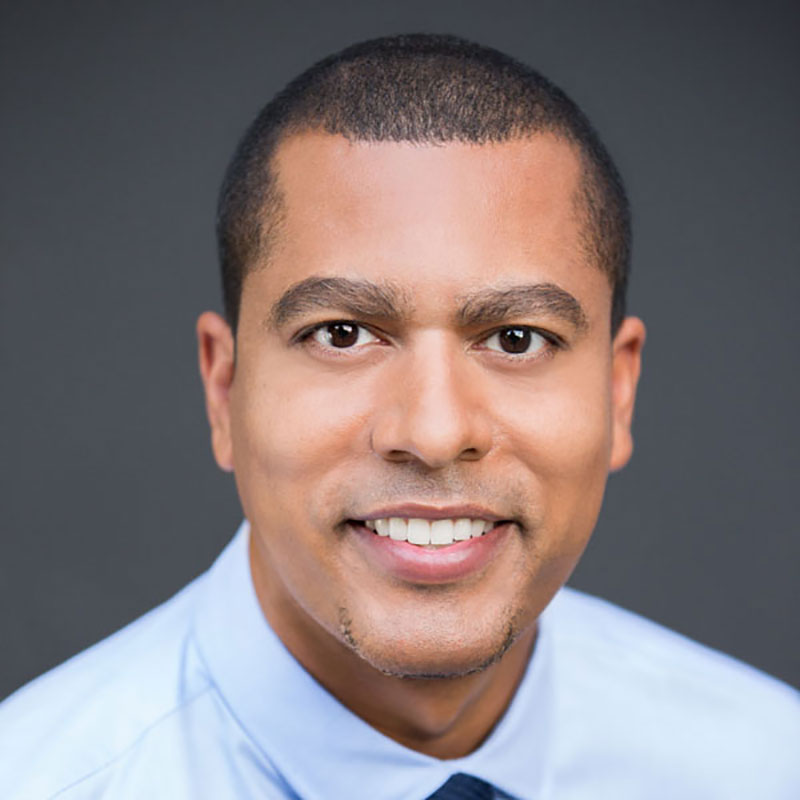
The first appointment at D2O is a conversation, not a procedure. Dr. Edward Wiggins II, a UCSF-trained dentist, Kois Institute alumnus, and California Implant Institute fellow, takes time to understand each patient’s specific fears, past experiences, and health history. A frank anxiety assessment determines which sedation tier and comfort tools fit before any clinical work begins. Patients leave with a clear picture of what to expect, which often reduces anticipatory anxiety on its own.
2. Personalized Comfort Plan Creation
No two patients share the same triggers, so a single standard protocol fails most anxious patients. One person dreads the needle. Another cannot tolerate the sound of a drill. A third needs full sedation to sit in the chair at all. The comfort plan maps the right combination of sedation level, technology, and sensory accommodations to match these individual triggers, and the team documents it so every member of the care team knows the plan before the patient arrives.
3. Pre-Procedure Preparation
Preparation starts before the appointment. Patients receive clear instructions on fasting requirements for sedation, what to bring, and what to expect on arrival. For oral conscious sedation, the prescription is filled in advance. For patients traveling from Folsom, El Dorado Hills, or the Bay Area, the team coordinates logistics so arrival feels unhurried and stress stays low from the moment they walk through the door at 1816 L Street in Midtown Sacramento.
4. During-Procedure Techniques
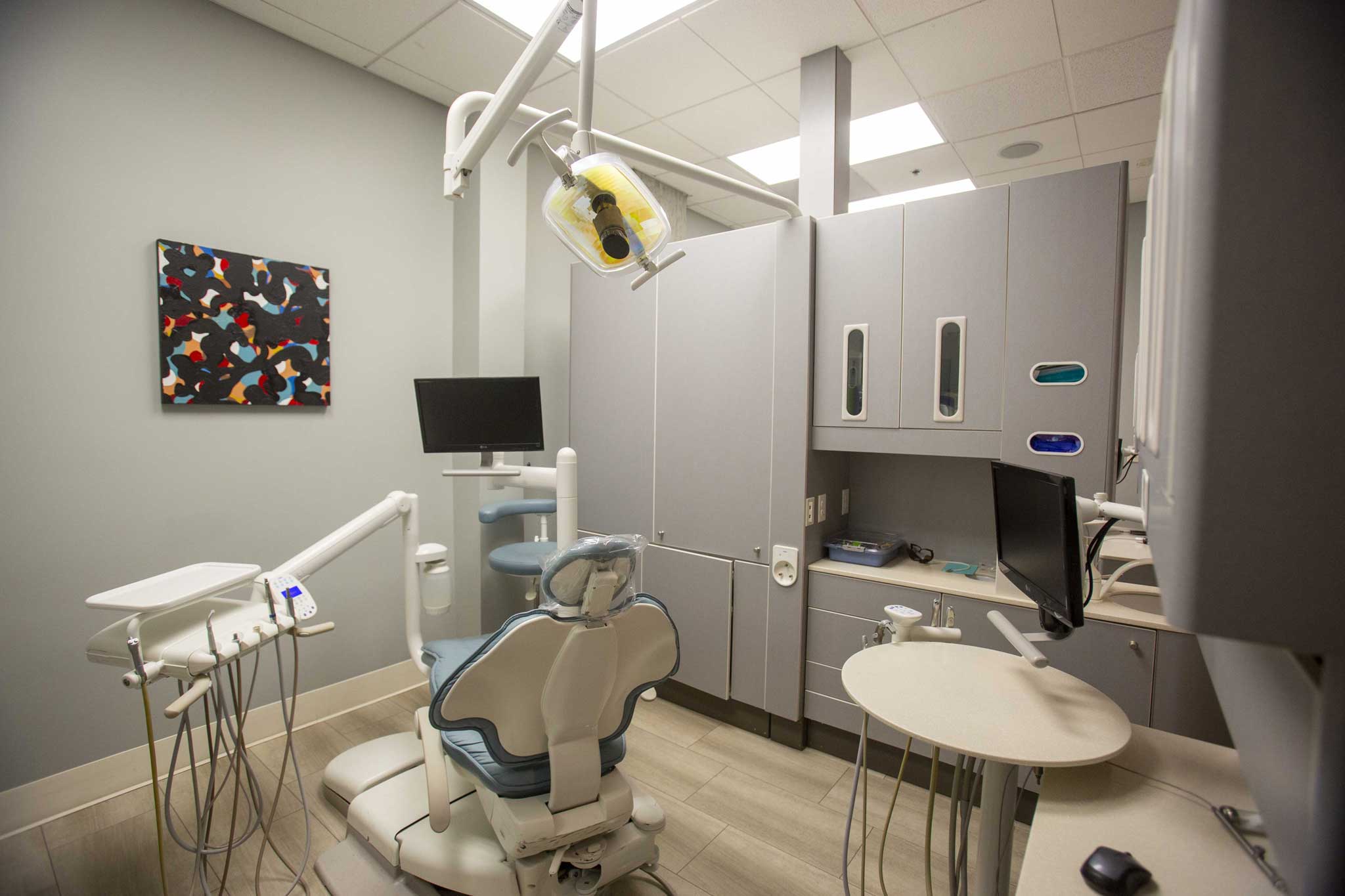
During treatment, technology and environment work together. The SOLEA laser, The Wand computer-controlled anesthesia system, noise-cancellation headsets, video goggles, aromatherapy, warm towels, and neck warmers combine to separate the person from the procedure. Sedation is adjusted to the patient’s comfort level throughout. A predetermined hand signal gives patients control to pause at any moment, a simple measure that research identifies as a meaningful reducer of perceived anxiety.
5. Post-Procedure Recovery and Follow-Up
Recovery protocols match the sedation used. Nitrous oxide patients are typically clear to drive within minutes. Oral conscious sedation patients require a companion for the ride home. IV sedation patients are monitored until fully alert. A follow-up call or message checks in on comfort and healing, and the next appointment is scheduled before the patient leaves. This keeps momentum going and helps prevent the avoidance cycle from restarting.
Sedation Options Explained
D2O offers a full spectrum of sedation matched to anxiety level and procedure length. The table below summarizes the three primary options using data from a 2026 randomized controlled trial published in Cureus and a 2025 systematic review with meta-analysis of 1,809 records.
|
Sedation Type |
Anxiety Level Served |
Onset Time |
Recovery Profile |
|---|---|---|---|
|
Nitrous Oxide (Laughing Gas) |
Mild to moderate anxiety |
Rapid onset |
Full recovery within ~5 minutes after discontinuation, and most patients may drive themselves home |
|
Oral Conscious Sedation |
Moderate anxiety; longer procedures |
Moderate onset |
Primarily mild drowsiness, with a companion required for transport home |
|
IV Sedation |
Severe anxiety; complex or lengthy procedures |
Rapid onset with high efficacy |
Continuous monitoring required, recovery supervision needed, and a companion required for transport |
Sedation is never mandatory. Many patients feel fully comfortable with The Wand, the SOLEA laser, and the spa environment alone. The right level always remains the patient’s choice.
Technology That Removes the Drill and Needle
D2O combines three core technologies that work together to eliminate traditional pain points. The SOLEA laser handles most cavity work without anesthesia. When numbing is needed, The Wand delivers it with far less discomfort. CEREC then provides a permanent restoration in one visit, so patients avoid temporary crowns and extra rounds of numbing.
SOLEA Laser Dentistry
The SOLEA system, developed by Convergent Dental, uses a 9.3-micron CO2 wavelength absorbed by both hard tooth tissue and soft tissue, which enables drill-free cavity treatment. Roughly 95% of hard and soft tissue SOLEA treatments can be completed without local anesthetic because the focused light energy bypasses the pain-response nerves normally triggered by a drill. The laser produces no grinding sensation and replaces the sustained high-pitched whirring of a conventional drill with only a faint clicking sound. Patients leave without the hours-long numbness associated with traditional injections and can eat, speak, and resume normal activities immediately.
The Wand: Computer-Controlled Single-Tooth Anesthesia
When anesthesia is needed, The Wand STA (Single Tooth Anesthesia) system replaces the traditional syringe with a lightweight, pen-like handpiece that continuously monitors and regulates anesthetic delivery rate and pressure in real time. This keeps pressure below the patient’s pain threshold. The result is single-tooth numbing that leaves the lips, cheeks, and tongue unaffected, so patients can speak and eat normally immediately after treatment. Computer-controlled anesthesia delivery has been reported to reduce patient pain compared to a standard manual syringe.
CEREC Same-Day Ceramics
CEREC CAD/CAM technology designs, mills, and places a permanent ceramic crown or restoration in a single appointment. Patients avoid temporary crowns, a second round of numbing, and a return visit. Dr. Wiggins has been a CEREC user since 2003, placing him among the most experienced practitioners in the field, experience that supports predictable, comfortable same-day results.
The Five-Senses Spa Environment
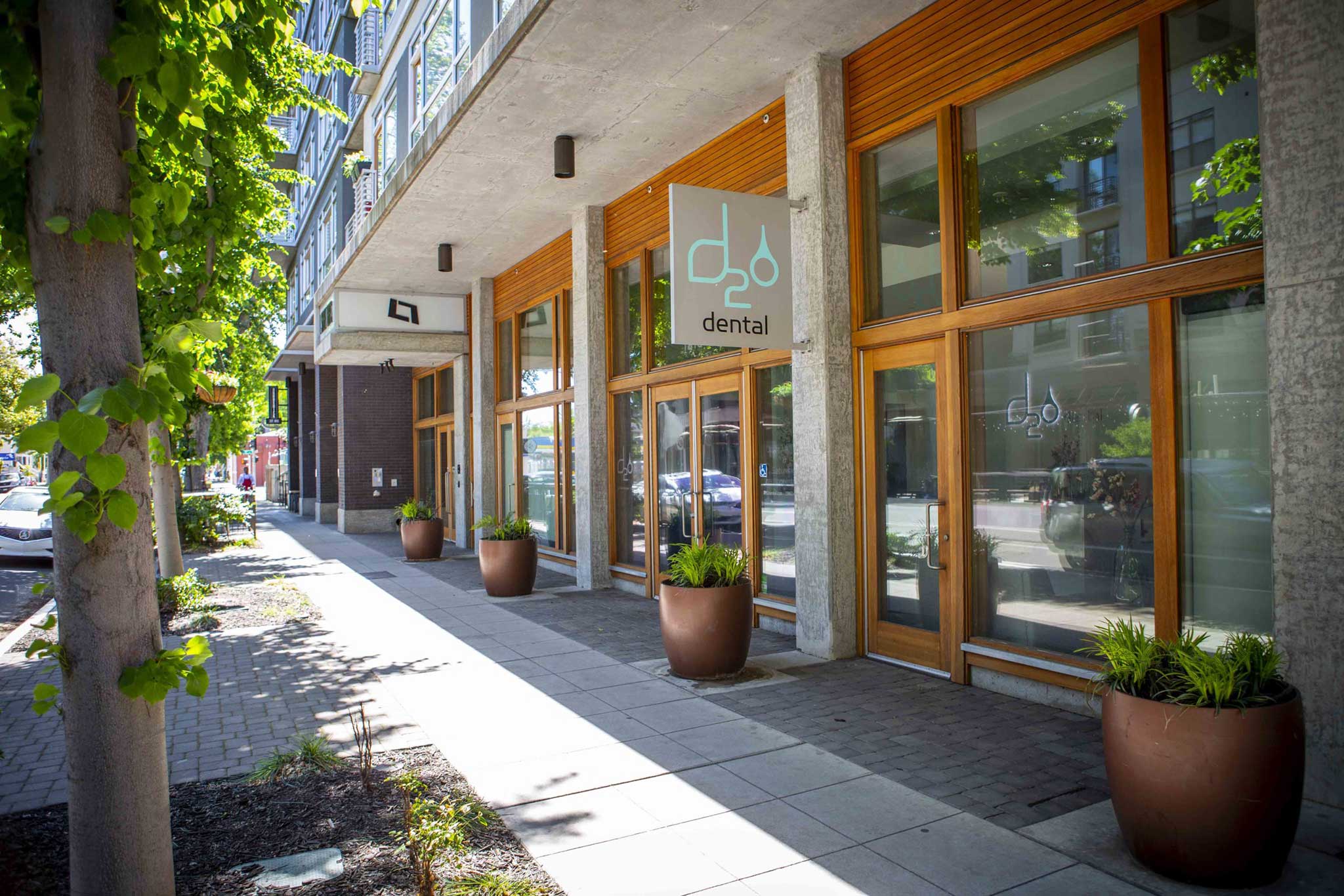
D2O Dental was Sacramento’s first dental spa, and the five-senses environment shapes every visit. Here is how each sensory channel is deliberately addressed to reduce anxiety and create a spa-like experience:
-
Smell: Aromatherapy with calming essential oils neutralizes clinical odors. A 2021 meta-analysis found that aromatherapy reduces dental anxiety with high-certainty GRADE evidence.
-
Sound: Noise-cancellation headsets mask procedure sounds. Delta Dental’s 2026 State of America’s Oral Health and Wellness Report identified noise-canceling headphones as a top-requested comfort measure among adults.
-
Sight: Video goggles provide visual immersion and block overhead clinical lighting, replacing the procedural environment with something the patient chooses.
-
Touch: Warm fragranced towels and neck warmers provide tactile comfort. A 2024 meta-analysis in the Journal of Psychiatric Research found that weighted and warm tactile inputs significantly reduce anxiety symptoms by activating the parasympathetic nervous system.
-
Taste: Complimentary beverages and care kits extend the spa experience beyond the chair.
Together, these elements create what D2O describes as the separation of the person from the procedure. The clinical edges of dentistry recede, and care becomes something a patient can genuinely look forward to.
That environment, combined with the right technology, changes what “painful” even means in a dental context. Two common questions highlight how much the experience can shift.
What Is the Least Painful Dental Procedure?
With modern technology, cavity treatment using the SOLEA laser is among the most comfortable procedures available. Restorative procedures performed with the SOLEA 9.3-micron CO2 laser can be completed nearly always without local anesthesia, and patients report feeling only mild warmth or nothing at all, with no vibration, no drill noise, and no needle. When anesthesia is required for other procedures, The Wand’s computer-controlled delivery eliminates much of the pressure and sting of a traditional injection, which makes even historically uncomfortable injections tolerable for most patients.
What Is the Most Feared Dental Procedure?
The drill and the needle are the primary triggers of dental fear. Fear of the sound and sensation of drilling is a common reason that adults avoid dental visits. The SOLEA laser eliminates the drill entirely for most cavity treatments, and The Wand’s computer-controlled delivery, described earlier, removes much of the sensation associated with a traditional syringe. The procedures that once drove avoidance now become some of the procedures D2O performs most comfortably.
Common Challenges and How to Navigate Them
Past negative experiences. A bad memory from a previous dentist is the most common source of ongoing dental fear. At D2O, the first appointment is always a conversation, with no surprises, no pressure, and no judgment about the current state of a patient’s teeth. The comfort plan is built around the specific triggers that caused past distress.
Cost concerns. Elective and restorative care is an investment, and D2O structures financing around patient goals rather than insurance fee schedules. Cherry offers flexible monthly payment plans with quick approval and no hard credit check, while CareCredit provides short-term interest-free and longer-term financing options for larger cases. For patients hesitant to commit to a full treatment plan, many begin with KöR whitening as an accessible first step, a lower-cost procedure that builds trust and opens the door to a fuller smile journey.
Travel logistics. Patients traveling from across the service area, including those coming from the Bay Area or the Lake Tahoe corridor, are welcomed regularly. The team coordinates scheduling to minimize trips and, where possible, uses CEREC same-day technology and combined appointments to accomplish more in fewer visits.
Measuring Your Comfort and Outcomes
Addressing these practical challenges is part of the process, but the real measure of success is whether patients actually feel comfortable, and D2O tracks that deliberately. Comfort is not assumed, it is tracked. D2O uses patient feedback at every stage of care to refine the comfort plan and make each visit better than the last. Follow-up calls after procedures confirm that healing is on track and give patients a direct line to the team if anything feels unexpected. Over time, this feedback loop helps transform the Anxious Avoider into a patient who looks forward to their appointments.
Advanced Considerations for Complex Cases
For patients with significant dental needs such as extensive wear, decay, failing restorations, or missing teeth, full-mouth reconstruction is a flagship capability at D2O. Dr. Wiggins combines Kois Institute training, a California Implant Institute fellowship, and an in-progress Master’s in Surgical and Prosthetic Oral Implantology with CBCT 3D imaging, dental implants, and All-on-4 / All-on-X restorations to rebuild a full mouth with comfort and sedation built in at every stage.
D2O also applies a whole-body wellness lens to every patient relationship. The team screens for airway and sleep-disordered breathing, cardiovascular indicators, nutritional factors, and acid erosion as part of a broader view of oral health. These screenings do not diagnose systemic conditions. They support treating the patient as a whole person, not a set of teeth.
Frequently Asked Questions
Does sedation dentistry mean I will be unconscious?
Not necessarily. Sedation at D2O ranges from nitrous oxide, which keeps you fully awake and relaxed, to oral conscious sedation, which induces drowsiness while preserving the ability to communicate, to IV sedation, which produces a deeply relaxed state with little to no memory of the procedure. The level is matched to your anxiety and the complexity of the treatment. Many patients feel perfectly comfortable with The Wand and the SOLEA laser alone, with no sedation at all.
Am I a candidate for SOLEA laser dentistry?
Most patients with cavities or soft-tissue concerns are candidates for SOLEA treatment. The laser is highly effective for smaller to moderate cavities and a range of gum procedures. Very deep cavities or large restorations requiring extensive reshaping may still call for traditional instruments, and a consultation will clarify exactly what is possible for your specific situation.
How long does recovery take after sedation?
Recovery depends on the sedation level. Nitrous oxide clears within minutes, and most patients drive themselves home. Oral conscious sedation produces mild drowsiness that typically resolves within a few hours, but a companion is required for transport. IV sedation requires monitoring until you are fully alert and a companion for the ride home. The team provides written post-care instructions for every sedation level.
Does D2O accept dental insurance?
D2O is an elective, value-led practice moving out of network, so care is focused on outcomes and experience rather than what a plan will cover. Flexible financing through Cherry and CareCredit makes treatment accessible, and the team will help structure a plan that fits your goals and budget. Many patients begin with whitening as an affordable first step.
How quickly can I see results if I have an event coming up?
KöR professional whitening can brighten your smile noticeably in a single in-office session, with custom take-home trays extending and maintaining the result. CEREC same-day crowns and many cosmetic bonding procedures are completed in one visit. A consultation will map the fastest responsible path to your goal given your timeline.