What You Can Expect From Dental Implant Recovery
- Many U.S. adults delay dental care due to fear, yet modern implant techniques make the experience far more comfortable than most expect.
- Discomfort after implant placement usually feels like pressure and soreness rather than sharp pain, and most patients manage symptoms without prescription medication by day 7–10.
- Advanced tools like The Wand anesthesia, SOLEA laser, CBCT imaging, and tailored sedation options at D2O shorten procedure time and support smoother recovery.
- Single-tooth implants usually allow a return to normal activities within a week, while full-arch cases follow a longer but still manageable timeline with the right support.
- If you have delayed implants because of pain concerns, D2O’s patient-centered approach can change that. Schedule your consultation today to explore a personalized plan.
The Solution: What Discomfort Actually Feels Like
Dental implant placement is a surgical procedure, so some discomfort follows. Most patients describe that discomfort as pressure and soreness, not the sharp, prolonged pain they feared. The peak window usually falls between 24 and 72 hours after placement. By days 7 to 10, most patients report that soreness has eased to a level they handle with over-the-counter medication or nothing at all.
At D2O Dental, Sacramento’s first dental spa, that window becomes shorter and more manageable through a layered comfort system. The Wand delivers computer-controlled anesthesia, the SOLEA laser supports minimally invasive soft-tissue work, and a full spectrum of sedation options matches each patient’s anxiety level. The five-senses environment, including aromatherapy, noise-cancellation headsets, video goggles, and warm towels, starts reducing the perception of discomfort before any instrument touches your mouth.
How Preparation Shapes Your Comfort and Anesthesia
A well-planned implant procedure starts weeks before the appointment. At D2O, CBCT 3D imaging creates a high-resolution, three-dimensional map of the jaw. This planning allows Dr. Wiggins to place implants with precision, which shortens surgical time and limits tissue disruption. Less disruption usually means less swelling, less soreness, and a smoother recovery.
Sedation is selected during the pre-operative consultation based on your anxiety level and the complexity of your case. The table below shows how each option differs in administration method, what you will experience during the procedure, and what recovery requirements to expect. This comparison helps you choose the level that matches your comfort needs:
| Sedation Level | Method | Patient Experience | Recovery Notes |
|---|---|---|---|
| Nitrous Oxide | Inhaled gas via nasal mask | Relaxed, aware, mildly euphoric, wears off within minutes | Most patients drive themselves home |
| Oral Conscious Sedation | Prescription pill taken before the visit | Deeply relaxed, may have limited memory of the procedure | Requires a driver, drowsiness may last several hours |
| IV Sedation | Administered intravenously, adjusted in real time | Effectively asleep, no awareness of procedure | Requires a driver, recovery monitored before discharge |
Patients traveling from the Bay Area, the Lake Tahoe and Reno corridor, or elsewhere in Northern California often pair sedation appointments with an overnight stay in Midtown Sacramento. The team regularly helps coordinate these logistics.
Procedure Day: Sensations You Will and Will Not Feel
On the day of placement, local anesthesia is delivered via The Wand, a computer-controlled instrument that administers anesthetic at a precise, steady rate. This approach largely removes the pressure and sting associated with a traditional injection. For patients who have dreaded “the shot” for years, this single change often reframes the entire experience.
Once anesthesia takes effect, you feel pressure and vibration during the procedure. Sharp pain during placement is not a normal sensation, and the clinical team adjusts immediately if you feel it. For cases that involve soft-tissue work, the SOLEA laser can replace a scalpel, which reduces bleeding and post-operative swelling. Single-tooth dental implant placement surgery typically takes 30 to 90 minutes. Full-arch cases, such as All-on-4 or All-on-X, take longer and are almost always paired with IV sedation.
First 24–72 Hours: Managing the Peak of Soreness
The first three days represent the peak of post-operative soreness, and a clear plan keeps this window manageable.
- Day of surgery: Ice packs applied in 20-minute cycles reduce swelling by constricting blood vessels at the surgical site. This early step supports a faster and more comfortable recovery. Pair ice with over-the-counter anti-inflammatories such as ibuprofen or prescribed medication as directed to stay ahead of inflammation. Choose soft, cool foods like yogurt, smoothies, and mashed potatoes, because chewing pressure can disturb the clot forming around the implant.
- Day 1: Swelling typically peaks as your body’s inflammatory response reaches its maximum. Rest matters today because it allows your body to direct energy toward healing. Avoid straws, spitting, and forceful rinsing, since suction or pressure in your mouth can dislodge the protective clot and slow healing.
- Day 2: Soreness usually remains but often stays at a level managed with ibuprofen. Warm salt-water rinses may begin as directed, which helps keep the area clean and supports tissue healing without disturbing the implant site.
- Day 3: For most single-tooth patients, this day marks a turning point. Swelling starts to recede, and energy returns as the inflammatory phase settles. Many patients with desk jobs feel ready to return to work by day 3 or 4.
One Week and Two Weeks: Early Healing Milestones
By the end of the first week, soft-tissue healing is well underway. Sutures, if placed, are usually removed or have dissolved by this point. Swelling is largely resolved for single-tooth cases. Patients can shift to a soft but more varied diet that includes eggs, pasta, fish, and cooked vegetables.
At two weeks, most patients say the implant site feels normal during everyday activity. Mild sensitivity to temperature or pressure may linger, yet it rarely disrupts work or social life. Full-arch patients on an All-on-4 or All-on-X protocol follow a similar soft-food timeline, although the overall recovery arc runs longer because of the broader scope of surgery.
Six Weeks and Beyond: Long-Term Comfort and Function
Osseointegration, the process where the implant fuses with the surrounding jawbone, continues for three to six months after placement. During this period, the implant remains stable and functional, and the final crown or prosthetic is placed only after integration is confirmed. Most patients feel no discomfort during osseointegration because the process happens at the bone level rather than at the gum surface. By the six-week mark, most patients from Sacramento, Roseville, Folsom, El Dorado Hills, and nearby communities have returned fully to normal eating, speaking, and daily function.
How Long Dental Implant Pain Usually Lasts
For a single-tooth implant, the soreness arc described above, which peaks in the first 72 hours and resolves by day 7–10, represents the typical experience. Mild sensitivity at the site can continue for a few weeks, but it rarely interferes with normal activity. For full-arch reconstructions, soft-tissue recovery follows a similar 7–10 day pattern, while overall healing continues through osseointegration. Persistent, worsening, or sharp pain beyond the first week is not normal and requires a call to the office.
Sedation Options for Dental Anxiety
Sedation is a standard part of care at D2O and is matched to each patient, not reserved only for extreme cases. Nitrous oxide suits patients who want the edge taken off while remaining aware, and it represents the lightest option on the spectrum. For those who need deeper relaxation, oral conscious sedation is the most common choice, since a prescription pill taken before arrival produces deep relaxation and often leaves little memory of the procedure. At the far end of the spectrum, IV sedation is adjusted in real time and works well for highly anxious patients or lengthy full-arch cases where staying still for extended periods would be difficult. Dr. Wiggins and the team review sedation during the consultation so you know your options well before procedure day.
Dental Implants Compared With Tooth Extraction Discomfort
Many patients feel surprised to learn that implant placement is often described as comparable to, or easier than, a tooth extraction. Extraction involves significant force and, in the case of impacted or multi-rooted teeth, can create more post-operative swelling and soreness than a straightforward implant placement. With CBCT-guided planning, minimally invasive technique, and The Wand anesthesia, implant surgery at D2O becomes a controlled, precise procedure, not the ordeal the word “surgery” suggests.
Single-Tooth vs Full-Arch (All-on-4/All-on-X) Recovery
Single-tooth implants involve one surgical site, limited tissue disruption, and a soft-tissue recovery arc of about 7–10 days. Full-arch cases, including All-on-4 or All-on-X, involve multiple implant sites and often extractions during the same visit. Swelling and soreness are more pronounced and may peak over 3–5 days. IV sedation is standard for full-arch procedures, and the soft-food protocol extends for several weeks. Even with the larger scope, patients who complete full-arch reconstruction at D2O consistently report that the experience felt far more manageable than they expected, which reflects the planning, sedation, and post-operative support built into every case.
When to Call the Office: Red-Flag Symptoms
Most post-operative experiences are uneventful, which makes it helpful to recognize signs that fall outside the normal range. The following symptoms are not normal and require prompt contact with D2O Dental at (916) 442-7000:
- Pain that worsens after day 3 rather than improving
- Fever above 101°F
- Significant swelling that increases after day 2
- Pus or unusual discharge at the implant site
- Implant feeling loose or shifting
- Numbness or tingling that persists beyond the day of surgery
- Difficulty breathing or swallowing
Frequently Asked Questions
Am I a candidate for dental implants?
Most adults with good general health and adequate jawbone density qualify for implants. Conditions such as uncontrolled diabetes, active gum disease, or insufficient bone volume require evaluation before treatment, and many of these issues can be addressed before implant placement. A CBCT scan and comprehensive consultation with Dr. Wiggins determine candidacy and outline any preparatory steps. Patients from across the greater Sacramento region, the Bay Area, and the Tahoe and Reno corridor travel to D2O for this level of diagnostic precision.
How can I finance dental implants?
D2O offers flexible financing through two partners. Cherry provides manageable monthly payment plans with quick approval and no hard credit check. CareCredit offers short-term interest-free options and longer-term financing for larger treatment plans. Both options are reviewed during the consultation so patients can choose the structure that fits their goals rather than a rigid fee schedule.
What should I bring to my first consultation?
Bring a list of current medications and any relevant dental or medical records, including prior X-rays if available. If you have specific concerns about anxiety or sedation, write them down so they can be addressed clearly. The consultation is the right time to discuss every aspect of your comfort plan. Patients are encouraged to bring questions, since the goal of the first visit is to give you complete information and a clear path forward with no pressure to commit that day.
Will I need time off work after implant surgery?
For single-tooth implants, most patients with desk jobs return to work within 2 to 3 days. Physical or labor-intensive work may require 4 to 5 days off. Full-arch cases typically call for 5 to 7 days away from work. Dr. Wiggins provides specific guidance based on the scope of your procedure and the demands of your job.
Does D2O place implants and restore them in the same practice?
Yes. Dr. Wiggins holds a Fellowship at the California Implant Institute and is currently pursuing a Master’s in Surgical and Prosthetic Oral Implantology. Both the surgical placement and the prosthetic restoration take place under one roof, with one clinician who knows your case from start to finish, which is a meaningful advantage for complex or full-arch reconstructions.
Conclusion: Moving Forward Without Fear
Fear of pain is the most common reason adults delay replacing missing teeth, and it shaped how D2O Dental was built. The practice places patient comfort at the foundation of every decision, not as an add-on. Dr. Wiggins’s advanced training means that clinical precision and patient comfort work together as the same goal.
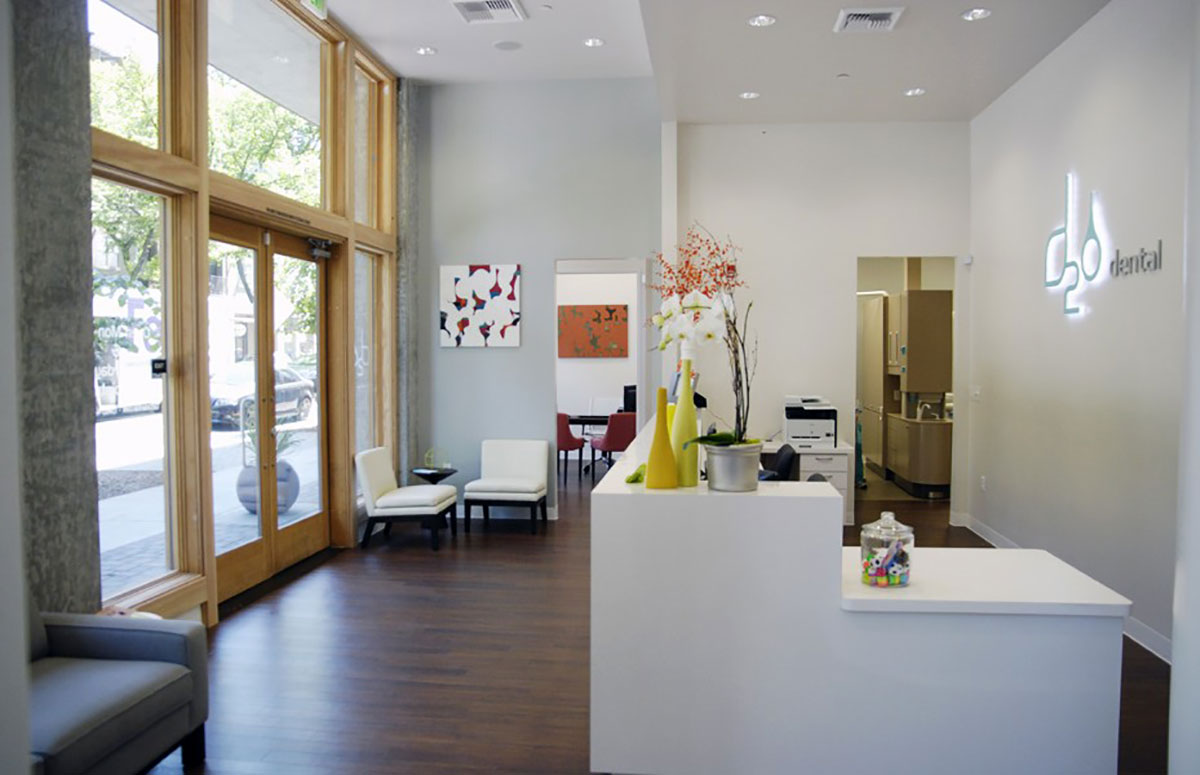
Patients from Midtown Sacramento, Folsom, Davis, Vacaville, the Bay Area, and the Tahoe and Reno corridor have made the trip to 1816 L Street and left with a different relationship to dentistry than the one they arrived with. The recovery timeline is real, the discomfort stays manageable for most patients, and the result, a permanent, stable, natural-feeling tooth, is worth it.
Schedule your consultation to explore a personalized implant plan that addresses your specific concerns. You can also call the team directly at (916) 442-7000 or visit D2O Dental at 1816 L Street, Midtown Sacramento.