Key Takeaways
-
Veneers can deliver long-term aesthetic value when enamel preservation, realistic longevity, and procedural comfort are prioritized from the outset.
-
Traditional veneers require permanent enamel reduction, making the decision irreversible and committing the tooth to lifelong restorations.
-
Prepless veneers minimize or eliminate enamel removal, preserving natural tooth structure and keeping future treatment options open.
-
Proper candidacy screening, maintenance routines, and addressing issues like bruxism are essential to avoid complications such as decay, sensitivity, or premature failure.
-
Professionals considering veneers in the Sacramento area can explore personalized, tooth-preserving options with D2O, and can request a consultation to begin their smile journey.
The Trade-offs Behind Traditional Veneers
Traditional porcelain veneers have delivered dramatic cosmetic results for decades. The procedure bonds thin ceramic shells to the front surfaces of teeth, and in most conventional cases, a layer of enamel must first be removed to accommodate the shell’s thickness. That removal is permanent. Once enamel is reduced, the tooth requires a restoration for life, whether that is a veneer, a crown, or another covering. For professionals in their mid-30s to mid-40s who are otherwise healthy and have structurally sound teeth, that irreversibility is the central concern, and it is a legitimate one.
Specific Downsides of Veneers
The primary downsides are permanence, cost, and maintenance. Traditional veneer placement typically requires irreversible enamel reduction, which means the tooth cannot return to its natural unrestored state. Veneers can chip or debond over time and will eventually need replacement. They are also not covered by dental insurance in most cases, so the patient usually pays the full cost. Sensitivity following preparation is common in the short term, and patients with untreated grinding habits face accelerated wear.
Tooth Decay Risk Under Veneers
Decay under veneers is possible but preventable. It occurs when the bond between veneer and tooth is compromised at the margins, which allows bacteria to accumulate. The American Dental Association notes that proper oral hygiene, regular professional maintenance, and intact margins are the primary defenses against marginal decay. Veneers placed on teeth with pre-existing decay or poor gum health carry a significantly higher risk, so candidacy screening before placement is clinically essential.
Why Some Dentists Advise Against Veneers
Dentists most commonly advise against veneers when a patient has active decay, untreated gum disease, insufficient enamel for bonding, a heavy grinding habit (bruxism), or unrealistic expectations about outcome. The American Academy of Cosmetic Dentistry identifies bruxism and parafunctional habits as leading contraindications because the occlusal forces involved can fracture ceramic restorations. The concern centers on veneers placed on the wrong candidate without addressing underlying conditions first, not on veneers as a category.
Long-Term Value of Veneers
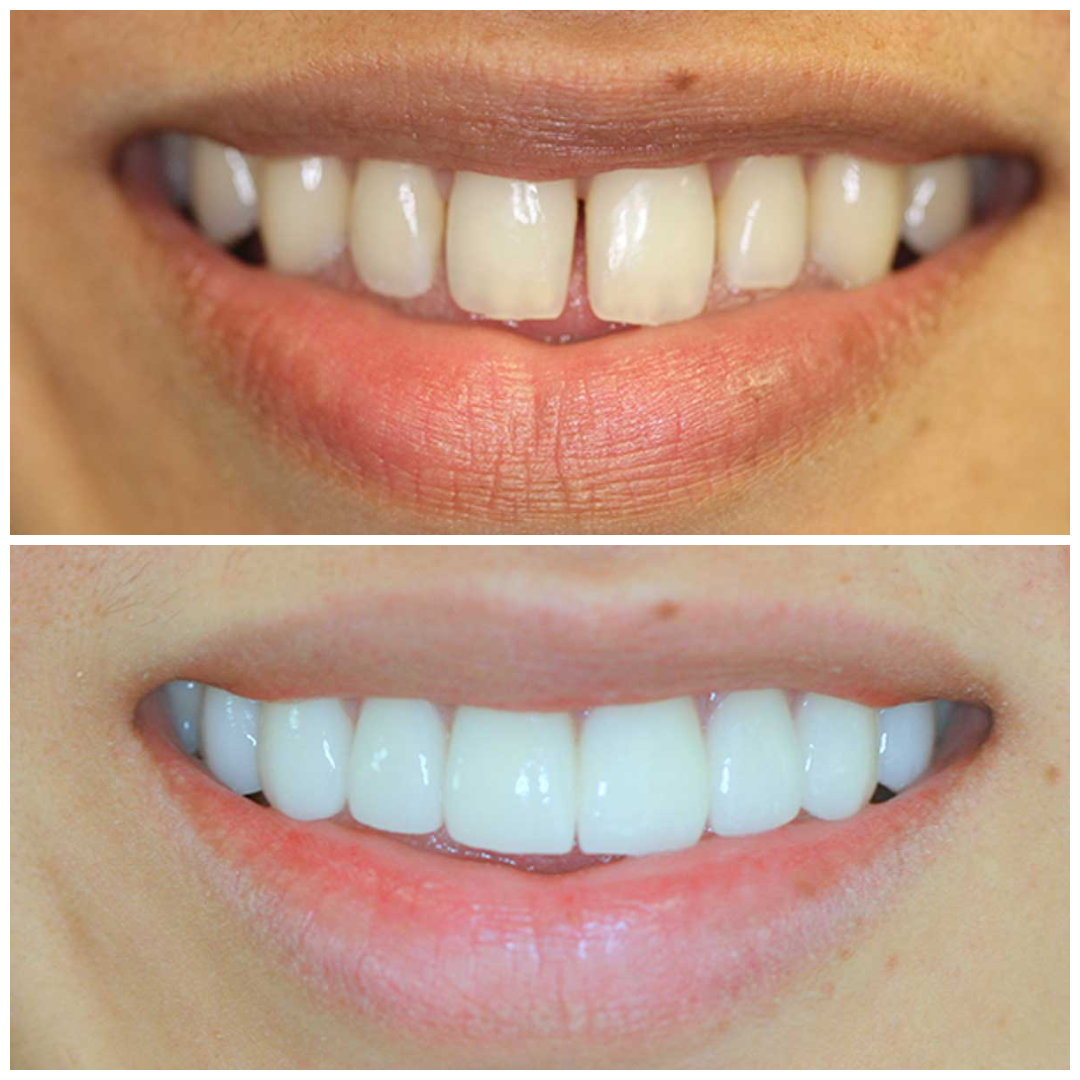
Long-term value depends heavily on material, placement quality, and patient maintenance. High-quality porcelain veneers placed on well-prepared candidates with good oral hygiene and no bruxism can remain functional and aesthetic for 10 to 20 years or more. The calculus shifts when enamel removal is factored in. A tooth that has been prepared for a veneer will require ongoing restorations indefinitely. Prepless veneers, where applicable, change this equation by preserving tooth structure and keeping future options open. The following comparison illustrates the key clinical and practical differences between these two approaches.
Traditional Veneers vs. Prepless Veneers in Practice
|
Criterion |
Traditional Veneers |
Prepless Veneers |
|---|---|---|
|
Enamel Removal |
Typically 0.3–0.7 mm enamel reduction required |
Minimal to none, tooth structure preserved |
|
Reversibility |
Irreversible, tooth requires restoration for life |
Often reversible or minimally committed |
|
Longevity |
See longevity discussion above |
Comparable with proper candidacy and care |
|
Comfort During Placement |
Anesthesia typically required, temporaries common |
Often little to no anesthesia, fewer or no temporaries |
|
Maintenance |
Regular professional care, avoid hard foods and grinding |
Same hygiene standards, nightguard if any parafunctional habit |
Prepless Veneers in a Sacramento Dental Spa
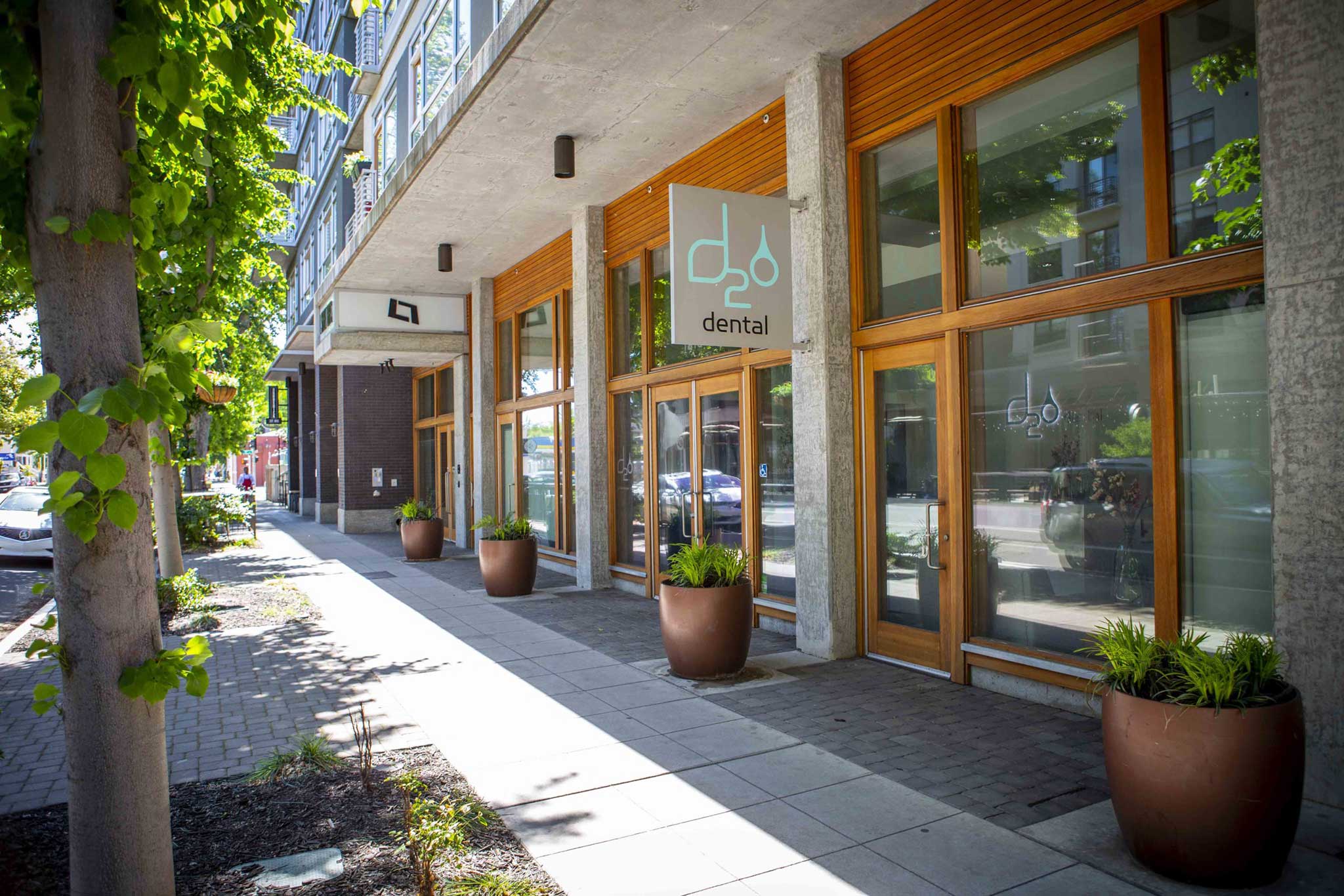
D2O Dental, Sacramento’s first dental spa at 1816 L Street in Midtown, was built around a tooth-preserving philosophy. Prepless veneers are ultra-thin porcelain shells bonded to the front of the teeth with minimal or no alteration of the underlying structure. For the right candidate, the result is a transformed smile that leaves natural tooth integrity intact.
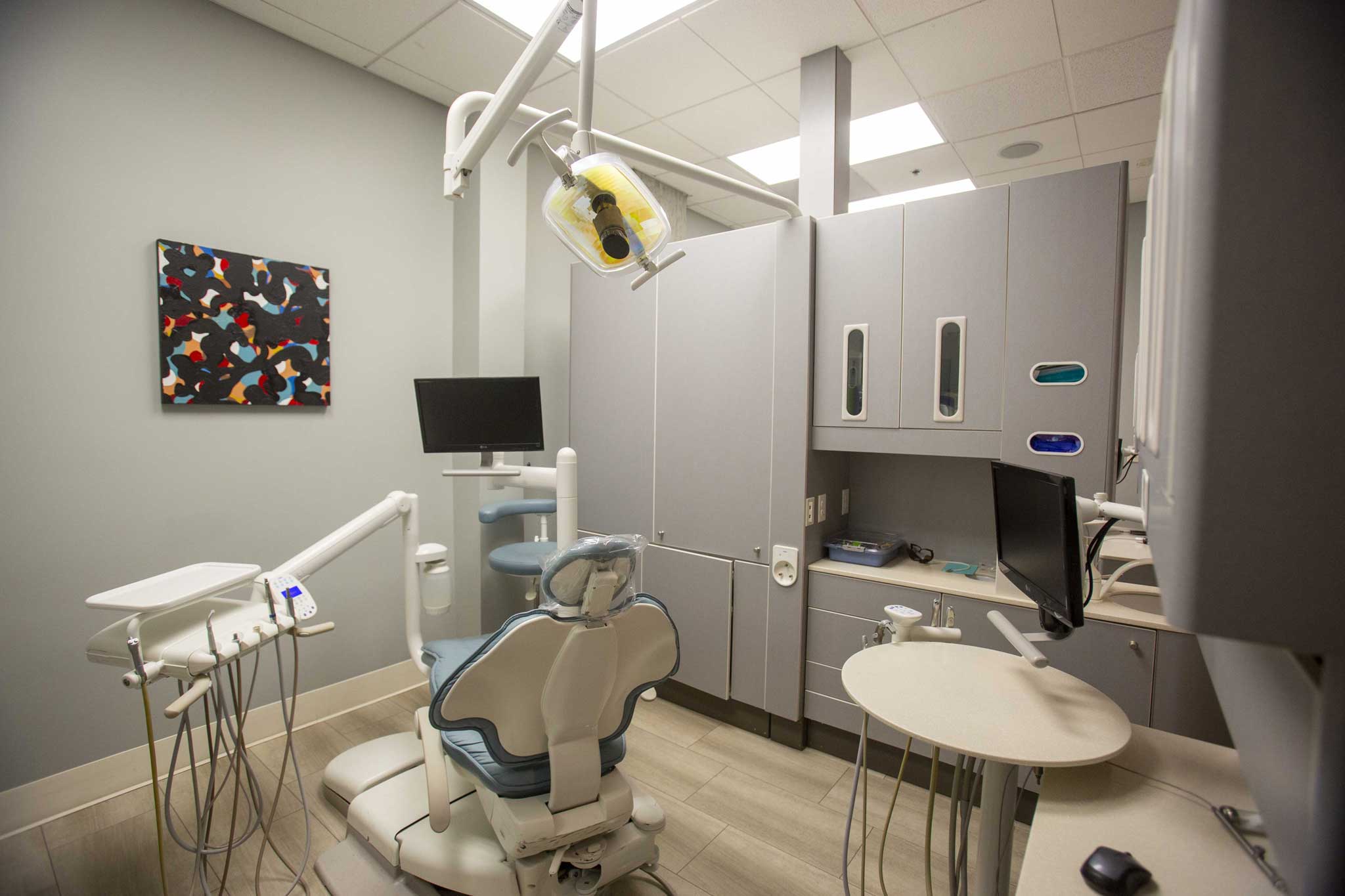
Dr. Edward Wiggins II, D2O’s founder with a DDS from UCSF, approaches cosmetic dentistry as a craft. His conviction that teeth can look like anything patients want guides every treatment plan. CEREC same-day ceramics allow many veneer cases to be completed in a single visit, and the five-senses spa environment with aromatherapy, noise-cancellation headsets, video goggles, and warm towels turns the visit into a very different experience from a conventional dental office. That environment directly supports patients who feel anxious about cosmetic treatment.
How D2O Reduces Procedure Anxiety
A 2025 census-matched national study published in the Journal of the American Dental Association found that nearly three in four U.S. adults report fear of the dentist. For patients considering veneers, anxiety about the procedure itself, including drilling, injections, and loss of control, can be as significant a barrier as cost. D2O addresses this directly with technology and sedation options. The Wand, a computer-controlled anesthesia system, delivers single-tooth numbing at a precise, steady rate that largely eliminates the sting and pressure of a traditional injection. For patients who want deeper relaxation, oral conscious sedation, nitrous oxide, and IV sedation are all available. Many prepless veneer placements at D2O require little to no anesthesia at all, which removes the main anxiety trigger before it begins.
Starting Your Smile Journey with Whitening
Most patients in Sacramento, Folsom, Davis, and the Bay Area who explore cosmetic upgrades start with professional whitening rather than veneers. D2O uses the KöR system, a refrigerated high-potency gel combined with custom take-home trays, which delivers dramatic, lasting brightening with minimal sensitivity. Whitening serves as a gateway step that is affordable and reversible, and often reveals that the desired smile was closer than the patient realized.
From that point, the path to clear aligners, prepless veneers, or a full smile makeover becomes a series of informed steps instead of a single high-stakes decision.
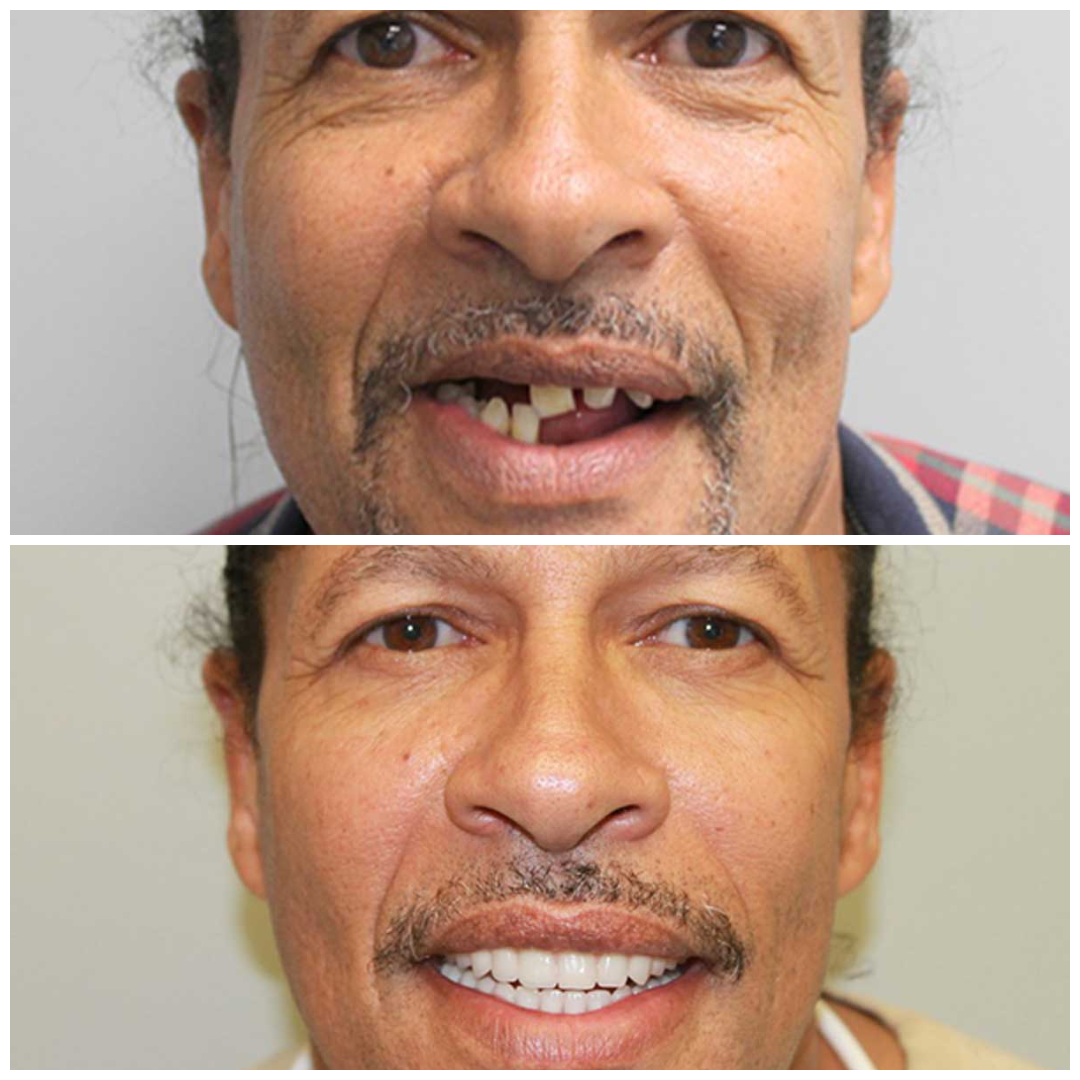
Request a consultation to see what is possible with a fully personalized plan.
Real Voices and How D2O Responds
“I grind my teeth; veneers will just crack.” This concern has clinical merit because bruxism creates forces that can fracture unprotected ceramic restorations. However, a custom nightguard fitted before or alongside veneer placement substantially reduces that fracture risk. Candidacy screening at D2O includes occlusal evaluation specifically to identify and address this before any ceramic work begins.
“My teeth got so sensitive after veneers.” Post-preparation sensitivity is common with traditional veneers because enamel reduction exposes dentin. Prepless veneers, which preserve enamel, carry a significantly lower sensitivity profile. For cases where some preparation is necessary, The Wand and sedation options described earlier help keep the procedure itself comfortable.
“The cost is not worth it if they only last ten years.” Ten years represents a conservative baseline for well-placed veneers on appropriate candidates. Prepless veneers that preserve tooth structure also preserve future options, so if a veneer eventually needs replacement, the underlying tooth has not been compromised. Flexible financing through Cherry and CareCredit makes the investment more manageable over time.
Alternatives by Invasiveness and Durability
|
Option |
Invasiveness |
Estimated Durability |
Best For |
|---|---|---|---|
|
Professional Whitening (KöR) |
Non-invasive |
Years with maintenance |
Discoloration, gateway step |
|
Composite Bonding |
Minimally invasive |
5–7 years typical |
Chips, gaps, minor reshaping |
|
Clear Aligners + Whitening |
Non-invasive |
Long-term with retainer use |
Crowding, spacing, alignment |
|
Prepless Veneers |
Minimally invasive |
See longevity discussion above |
Shape, color, multiple teeth |
|
Traditional Veneers |
Moderately invasive |
Comparable to prepless veneers when candidacy and maintenance standards are met |
Significant reshaping needed |
|
Full-Mouth Reconstruction |
Most invasive |
Decades with proper care |
Extensive wear, decay, missing teeth |
Risks and Candidacy Checklist
Veneers, whether prepless or traditional, are not appropriate for every patient. The following factors are evaluated at a D2O consultation before any cosmetic plan is finalized, and you can use them as a self-check before that visit.
-
Active decay or gum disease: Must be treated and resolved before any veneer placement.
-
Bruxism or clenching: Requires a nightguard and occlusal evaluation, and may shift the recommendation toward a more durable material or restoration type.
-
Insufficient enamel: Prepless veneers require adequate enamel for bonding, so very thin or heavily eroded enamel may indicate a different approach.
-
Unrealistic expectations: Veneers improve shape, color, and proportion, but they do not alter bone structure or facial anatomy. A thorough consultation sets accurate expectations.
-
Commitment to maintenance: Veneers require regular professional care, good home hygiene, and avoidance of habits like nail-biting or ice-chewing.
Frequently Asked Questions
Do prepless veneers look as natural as traditional veneers?
Prepless veneers can look just as natural as traditional veneers when placed by an experienced cosmetic dentist. They are fabricated from the same high-quality porcelain and are customized in shape, translucency, and shade to match the patient’s face and existing teeth. Because they preserve natural tooth structure, they often feel more natural to the patient as well. The key variable is the clinician’s cosmetic eye and technical skill, so choosing a dentist with dedicated cosmetic training matters.
How do I know if I am a candidate for prepless veneers?
Ideal candidates have healthy gums and enamel, no active decay, mild to moderate cosmetic concerns such as color, shape, or minor spacing, and no severe grinding habit. Patients with very dark staining, significant misalignment, or heavily worn teeth may need a different approach, such as traditional veneers, orthodontic treatment first, or a combination plan. A consultation that includes a full oral exam and discussion of your goals is the only reliable way to determine candidacy.
What happens if a veneer chips or needs replacement years later?
A chipped or debonded veneer can typically be repaired or replaced without affecting the underlying tooth, especially with prepless veneers where the tooth structure has been preserved. With traditional veneers, the prepared tooth will always need a covering, so replacement becomes a planned part of long-term maintenance rather than an emergency. Regular check-ups allow early identification of any marginal wear or bonding issues before they become larger problems.
Can I finance veneers, and what does treatment typically cost?
Cosmetic treatment at D2O is personalized, so pricing is determined at a consultation after the team understands your specific goals and the number of teeth involved. D2O offers flexible financing through Cherry, with manageable monthly payments, quick approval, and no hard credit check, and through CareCredit, which includes short-term interest-free and longer-term options. Many patients begin with KöR whitening as an affordable first step and build toward veneers over time.
Is the procedure painful?
Prepless veneer placement at D2O frequently requires little to no anesthesia, which removes the most common source of procedure anxiety. For cases where numbing is needed, the practice uses The Wand system described in the anxiety section above to minimize injection discomfort. Patients who want deeper relaxation can choose from nitrous oxide, oral conscious sedation, or IV sedation. The spa environment described earlier further reduces the perception of discomfort throughout the visit.
Conclusion: Choosing the Right Path for Your Smile
The question “are veneers worth it” has a personalized answer for each patient. For professionals across Sacramento, Roseville, El Dorado Hills, the Bay Area, and throughout Northern and Central California who are evaluating a smile upgrade, the framework remains straightforward. Assess candidacy honestly, choose the least invasive option that achieves the goal, and work with a clinician whose philosophy prioritizes preserving what you already have. D2O Dental’s prepless veneers, comfort-first environment, and tooth-preserving approach are designed for exactly that patient profile. The smile makeover journey most often begins with a single whitening appointment and grows from there into whatever the patient wants it to become.
To explore your options with Dr. Wiggins and the D2O team, visit the practice at 1816 L Street in Midtown Sacramento, call (916) 442-7000, or request a virtual consult from anywhere in Northern California. Request a consultation to see what is possible with a fully personalized plan.