Key Takeaways for Clear Aligners and Your Gums
- Clear aligners do not directly cause gum recession or disease. Risk comes from factors like thin gum tissue, poor hygiene, or existing periodontal problems, not from the trays themselves.
- Professional supervision keeps gums healthier. Supervised treatment consistently shows lower plaque levels, less inflammation, and better gum outcomes than unsupervised or mail-order aligners.
- Daily hygiene is non-negotiable. Removing aligners before meals, brushing after eating, flossing, and cleaning trays prevents bacterial buildup that can damage gums.
- Correcting crowding with aligners can improve gum health by making teeth easier to clean and reducing plaque-trapping overlaps.
- At D2O Dental, every clear aligner case starts with a full gum health assessment and ongoing monitoring to protect your smile. Request a consultation to get a personalized gum health assessment before starting treatment.
Do Clear Aligners Cause Gum Recession?
Current evidence shows that clear aligners do not directly cause gum recession. Risk is driven by patient-specific factors including thin gingival biotype (tissue thickness below 1.5 mm), excessive labial tooth movement that pushes roots beyond the alveolar bone, pre-existing periodontal disease, and inadequate oral hygiene, rather than the appliance itself.
Systematic and umbrella reviews have compared the risk of gingival recession between clear aligner and fixed appliance treatments. Transient gingival inflammation can occur in clear aligner patients and may be less frequent than with fixed appliances. Under professional supervision, recession that can be blamed on the aligner itself, rather than on hygiene failure or biological risk factors, appears to be rare.
Invisalign and Gum Disease: What the Latest Research Shows
A prospective study published in Frontiers in Cellular and Infection Microbiology compared microbial changes in orthodontic patients treated with clear aligners or fixed appliances. This work focused on how different appliances influence the oral microbiome during treatment.
A 2026 systematic review and meta-analysis by Kaur et al. built on this microbiological perspective and investigated clinical periodontal outcomes such as plaque index, gingival index, and probing depth for clear aligners versus fixed appliances.
A 2026 scoping review by Rusu et al. examined periodontal parameters during aligner therapy and reached a similar conclusion. Across these studies, hygiene adherence consistently emerges as the key qualifier, and the appliance itself is not the determining factor.
What Happens If You Do Not Brush After Every Meal with Invisalign?
Patients must remove clear aligners before eating or drinking anything except plain water to prevent food particles from becoming trapped against the gumline and accelerating bacterial growth that leads to gingivitis. Skipping post-meal brushing before reinserting aligners creates a sealed environment where bacteria multiply against tooth and gum surfaces with no saliva clearance to interrupt the process.
Aligners worn for long stretches without cleaning accumulate bacterial biofilm, and infrequent cleaning is associated with increased periodontal inflammatory markers compared to patients with good hygiene compliance. An unclean aligner pressed against unclean teeth for 22 hours behaves as a plaque-delivery system, not a neutral appliance.
How Supervised Clear Aligner Care Can Improve Gum Health
Correcting dental crowding removes one of the most persistent obstacles to effective home hygiene. Overlapping teeth create areas that toothbrush bristles and floss cannot reliably reach, which allows plaque to accumulate undisturbed. Once alignment is achieved, those surfaces become accessible, and the mechanical advantage of daily cleaning improves substantially.
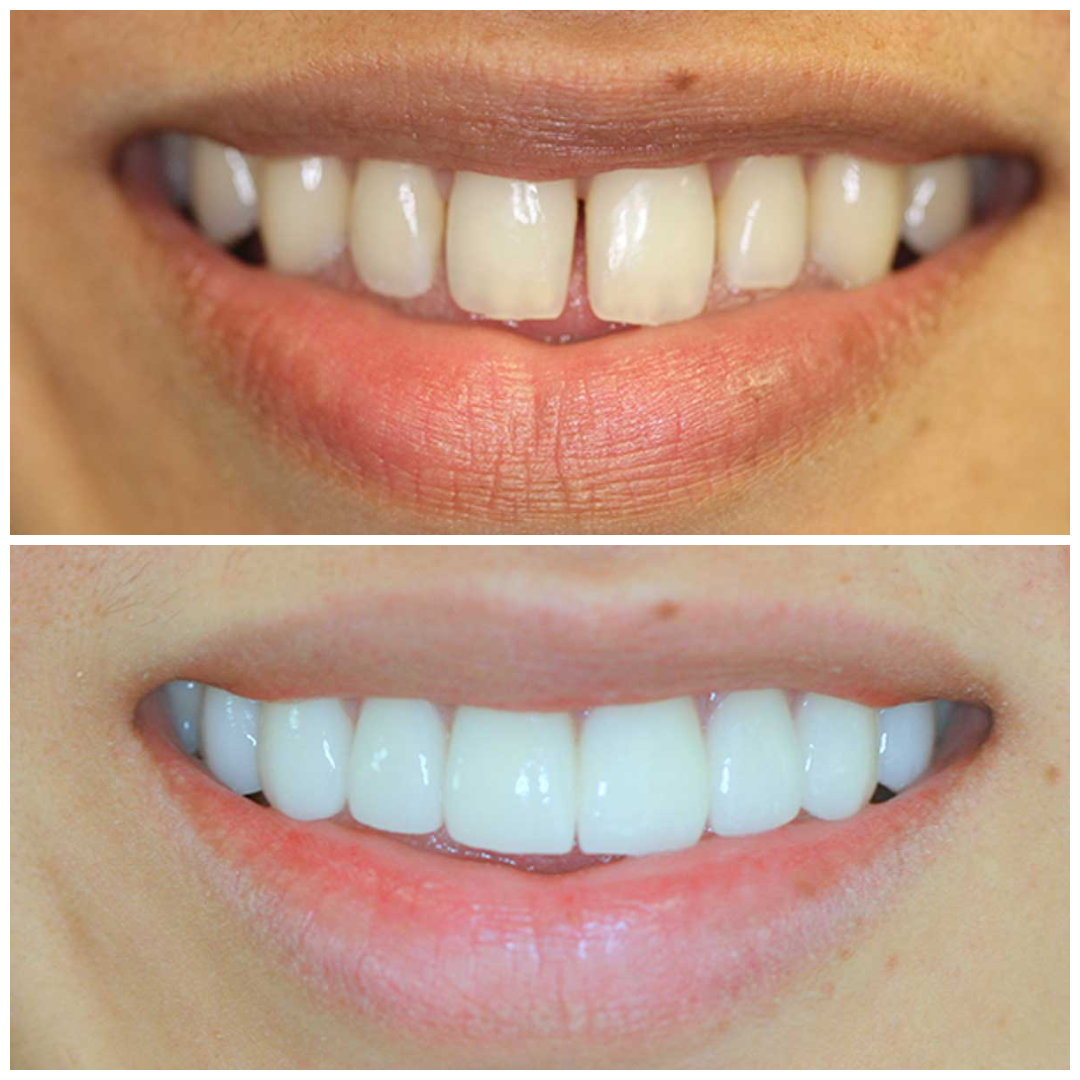
Clear aligner therapy in adults with Stage II–IV periodontitis can maintain periodontal stability or yield improvements when started in a stable, reduced periodontium with low plaque and bleeding scores, according to a 2026 narrative review. In a retrospective analysis of 10 Stage IV periodontitis patients with 103 intrabony defects treated with clear aligners after regenerative surgery, improvements in probing pocket depth and bone levels were observed at final follow-up. These outcomes show what is possible when aligner therapy is properly supervised and sequenced after periodontal stabilization.
At D2O Dental, Invisalign and Candid treatment follow a comfort-first, technology-supported framework that includes monitoring at every stage, rather than simply issuing trays and scheduling distant check-ins.
7-Step Daily Hygiene Checklist for Clear Aligner Wearers
- Remove aligners before every meal and any non-water beverage. Never eat or drink anything other than plain water while wearing aligners, which prevents trapping sugars and food debris that fuel bacteria leading to gum inflammation.
- Brush for two full minutes after eating before reinserting. Use a soft-bristled toothbrush and gentle circular motions focused on the gumline. Rinsing alone cannot remove all bacteria that can cause gum inflammation.
- Floss daily without exception. Aligners do not replace the need for interdental cleaning to prevent gum inflammation or recession.
- Rinse aligners with lukewarm water every time they are removed. Rinsing under lukewarm running water every time aligners are removed prevents saliva and bacteria from accumulating on the inner surface and contributing to gum irritation.
- Clean aligners twice daily with a soft-bristled brush and clear, unscented soap. Avoid toothpaste, which scratches the plastic and creates sites for bacterial accumulation, and avoid hot water, which warps the fit.
- Soak aligners daily in a specialized cleaning solution. Soak aligners daily for 15 minutes in Invisalign Cleaning Crystals or retainer tablets to break down plaque and bacteria that could otherwise transfer to the gumline.
- Attend professional cleanings every six months, or more often if advised. Professional cleanings allow hygienists to remove hardened tartar along the gumline that home brushing cannot eliminate, which helps prevent gingivitis and recession.
How to Avoid Gum Recession with Invisalign
Recession prevention during clear aligner treatment depends on technique, fit, and monitoring. The following steps address the main controllable risk factors.
- Use gentle brushing technique. Use a soft-bristled toothbrush and gentle circular motions at the gumline for at least two minutes. Horizontal scrubbing can traumatize gum tissue and speed recession, so the circular technique matters during aligner treatment.
- Confirm aligner fit at every stage. If aligners rub or press on the gums, contact your provider immediately for an adjustment to prevent irritation or recession.
- Maintain consistent wear. Consistent 22-hour daily wear keeps forces controlled and light, rather than allowing uncontrolled movement that could increase gum risks.
- Schedule more frequent periodontal monitoring if you have a history of recession. Patients with a history of gum recession benefit from periodontal maintenance appointments every three to four months during and after clear aligner treatment to monitor pocket depths and catch early signs of disease.
- Report any sensitivity or visible gum changes promptly. Report gum sensitivity, bleeding, or visible recession to your provider between scheduled appointments so early intervention can prevent progression.
Real Patient Concerns About Gum Damage from Aligners
Forum threads and patient communities often mention fears that aligners “ruined my teeth” or that gum recession appeared during treatment. These concerns deserve direct, evidence-based responses rather than dismissal.
In most documented cases, recession that occurs during aligner treatment traces back to the four risk factors identified earlier, such as thin tissue, excessive tooth movement, existing periodontal disease, and poor hygiene, rather than to the aligner itself. A 2023 systematic review and meta-analysis published in the Journal of Clinical Medicine analyzed 12 studies comparing periodontal health in clear aligner versus fixed brace patients and concluded there is insufficient evidence that clear aligners harm periodontal health.
Patients who feel “paranoid about gum health” during treatment are often experiencing normal transient sensitivity as teeth move, yet that sensation still warrants a provider check instead of self-management. The distinction between normal tissue response and early pathology requires clinical evaluation, which highlights why supervised treatment at a practice like D2O Dental differs from mail-order aligner programs that lack in-person monitoring.
Schedule an in-person evaluation to address your specific concerns with professional monitoring.
Pre-Treatment Gum Assessment for Patients with Gum Disease
Patients with a history of gum disease can often receive clear aligner treatment, but they must meet specific clinical thresholds before tooth movement begins.
Active gum disease and untreated cavities are disqualifying conditions that must be resolved before aligner treatment can safely begin, because moving teeth through unhealthy bone and gum tissue creates risk rather than improvement. Strict preconditions for clear aligner therapy in Stage II–IV periodontitis patients include full-mouth plaque and bleeding scores below 15–20%, no residual probing depths greater than 4 mm on teeth to be moved, and mobility reduced to Grade I or less.
Clear aligner therapy follows a stepwise ortho-perio pathway in which risk factor control, non-surgical debridement, corrective periodontal therapy, and supportive periodontal care are prerequisites before aligners are introduced. In Stage IV periodontitis cases, aligner therapy typically started a mean of 4.5 months after regenerative surgery or 9–12 weeks after completion of non-surgical and surgical periodontal treatment, once initial healing and tissue stability were achieved.
At D2O Dental, the pre-treatment assessment uses CBCT 3D imaging to evaluate bone levels and tissue architecture before any treatment plan is finalized. Patients who need periodontal stabilization first receive that care, or a coordinated referral, before aligners are introduced.
Signs That Require Immediate Contact with Your Provider
Certain symptoms during clear aligner treatment call for prompt clinical evaluation rather than a wait-and-see approach.
- Gum bleeding that persists beyond the first few days of a new aligner stage
- Visible recession, with teeth appearing longer than before treatment began
- Redness, swelling, or pus along the gumline
- Increased tooth sensitivity, particularly to temperature
- Aligners that rub or press on the gums rather than seating flush against the teeth
- Tooth mobility that was not present at the start of treatment
In a 2026 case report, a patient with Stage III periodontitis treated with clear aligners showed an increase in sites with periodontal probing depths greater than 4 mm, indicating recurrence of periodontal inflammation that required repeat scaling and root planing. Early detection and intervention prevented further deterioration, which illustrates why monitoring cannot be optional.
Why Professional Supervision at D2O Dental Protects Your Gum Health
D2O Dental, located at 1816 L Street in Midtown Sacramento, was founded in 2010 by Dr. Edward Wiggins II on the conviction that excellent dentistry and genuine comfort belong together. That philosophy extends directly to clear aligner care, with treatment managed in person and gum health tracked at every stage alongside tooth movement.
Dr. Wiggins holds a Fellowship at the California Implant Institute, trained at the Kois Institute in Seattle, and earned his DDS from the University of California, San Francisco. His whole-body wellness approach means that aligner consultations at D2O include evaluation of periodontal status, bite, and tissue architecture, not just a scan for crowding. CBCT 3D imaging provides the diagnostic precision to identify bone levels and tissue thickness before treatment begins, and the practice’s laser dentistry capability (SOLEA) allows soft-tissue concerns to be addressed in the same environment where aligner treatment is managed.

For patients from Roseville, Folsom, El Dorado Hills, Davis, the Bay Area, and across Northern and Central California who have avoided orthodontic care because of anxiety or gum concerns, D2O’s five-senses dental spa environment, including aromatherapy, noise-cancellation headsets, The Wand for pain-free anesthesia, and a full sedation menu, removes barriers that have kept them out of the chair. This approach reinforces the earlier research finding that monitoring and hygiene adherence determine outcomes, which is why D2O’s model builds both into every case from the first appointment forward.

Request a consultation to see what’s possible with a fully personalized plan.
Conclusion and Next Step
Clear aligners and gum health can work together successfully when treatment is supervised and hygiene is consistent. Research from 2025 and 2026 shows that properly supervised aligner therapy often produces lower plaque accumulation, less gingival inflammation, and more favorable microbiome shifts than fixed appliances, while the main risks trace to hygiene gaps and unmanaged biological risk factors rather than to the appliance itself. Correcting crowding improves cleaning access, and a structured daily hygiene protocol keeps the gum environment stable throughout treatment.
The path to a straighter, healthier smile starts with an honest assessment of your current gum health. At D2O Dental in Midtown Sacramento, that assessment forms the foundation of every aligner case and is delivered in an environment designed to make the visit something to look forward to.
Request a consultation to see what’s possible with a fully personalized plan. You can also reach the practice directly at (916) 442-7000 or visit 1816 L Street, Midtown Sacramento.
Frequently Asked Questions
Can I start clear aligner treatment if I already have gum disease?
Patients with a history of gum disease are not automatically disqualified from clear aligner treatment, but active periodontal disease must be treated and stabilized before tooth movement begins, for the reasons outlined in the pre-treatment section above. The standard clinical pathway involves completing non-surgical periodontal therapy, including scaling, root planing, and infection control, and achieving stable plaque and bleeding scores before aligners are introduced. At D2O Dental, every consultation includes a thorough periodontal assessment, and patients who need stabilization first receive a coordinated plan before any aligner treatment begins. Once the periodontium is stable, clear aligner therapy can proceed safely and often supports improved gum health by correcting crowding that made effective cleaning difficult.
Will clear aligners make my gums recede?
Clear aligners do not independently cause gum recession. The current body of evidence identifies the primary risk factors as thin gingival tissue (below approximately 1.5 mm), excessive tooth movement beyond the alveolar bone boundary, pre-existing periodontal disease, and inadequate oral hygiene, rather than the aligner appliance itself. Multiple systematic reviews comparing clear aligners to fixed braces have found that aligner patients often experience less gingival recession, lower plaque accumulation, and reduced bleeding on probing than patients treated with traditional brackets and wires. The key protective factors include professional supervision, correct aligner fit, gentle brushing technique, and consistent daily hygiene. Patients with known thin gingival tissue or a history of recession benefit from more frequent monitoring appointments, typically every three to four months rather than the standard six-to-eight-week interval.
What happens to my gums if I skip brushing before reinserting my aligners?
Skipping post-meal brushing before reinserting aligners creates a sealed environment where food debris and bacteria are pressed directly against tooth and gum surfaces for hours at a time, with no saliva flow to interrupt bacterial activity. Over time, this pattern accelerates plaque accumulation at the gumline, which triggers gingival inflammation, the earliest stage of gum disease. Research has identified periodontal pathogens including Porphyromonas gingivalis, Fusobacterium nucleatum, and Streptococcus mutans in biofilms on aligner surfaces, and patients who clean their aligners infrequently show measurably higher inflammatory markers than those who follow consistent hygiene protocols. If brushing after every meal is genuinely not possible in a given situation, vigorously rinsing the mouth with water before reinserting aligners is the minimum acceptable step, although it does not replace brushing and flossing.
How is D2O Dental’s approach to clear aligners different from mail-order aligner programs?
Mail-order aligner programs operate without in-person examination, radiographs, or ongoing clinical monitoring. There is no assessment of bone levels, gingival tissue thickness, or periodontal status before treatment begins, and no provider is present to detect early signs of inflammation, recession, or bite problems as treatment progresses. At D2O Dental, clear aligner treatment using Invisalign or Candid begins with a comprehensive examination that includes CBCT 3D imaging to evaluate bone and tissue architecture. Dr. Wiggins monitors tooth movement and gum health throughout treatment, and the practice’s laser dentistry capability allows soft-tissue concerns to be addressed in the same clinical environment. For patients with dental anxiety, the dental spa experience, including sedation options, The Wand for pain-free anesthesia, noise-cancellation headsets, and aromatherapy, makes consistent attendance at monitoring appointments comfortable rather than something to avoid.
How often should I see a dentist while wearing clear aligners?
The standard recommendation during clear aligner treatment is a professional cleaning and examination every six months, consistent with general preventive care guidelines. Patients with a history of gum disease, thin gingival tissue, or active periodontal concerns should schedule more frequent visits, typically every three to four months, so that pocket depths, gum levels, and tooth mobility can be monitored alongside aligner progress. In addition to hygiene appointments, aligner progress checks occur at intervals determined by the treatment plan, usually every six to eight weeks. At D2O Dental, monitoring frequency is personalized to each patient’s periodontal risk profile rather than applied as a one-size-fits-all schedule. Patients are also encouraged to contact the practice between scheduled appointments if they notice any gum bleeding, sensitivity, visible recession, or changes in how their aligners fit.